
Oct
08
2026
The expectations of mutual commitment that once anchored work have frayed, as employers offer less long-term stability and employees change jobs more often. Flexibility is key to both sides: Workers want more control over when, where and how they work, while companies seek the best ways to weather volatile markets, rapid technology changes and soaring benefit costs. Our exploration asks what happens when both sides are redefining how work fits their needs — and defines pathways for organizations based on models that work. How are employers restructuring work to add value to the bottom line as well as attract and retain talent, from recent graduates to seasoned executives?
The Kenan Institute’s annual Grand Challenge is a concerted yearlong effort to examine and drive solutions to the most pressing issues facing business and the economy. Explorations of these topics deliver insights that shape policy, strengthen America’s workforce and promote business growth.
The Grand Challenge culminates each October in the Frontiers of Business Conference, where corporate executives, top researchers and policy leaders share objective solutions backed by evidence and experience.
Kenan Institute Distinguished Fellows and institute experts produce in-depth written analyses exploring vital themes of each Grand Challenge with pertinent data and clear graphics.

In a Q&A, UNC Kenan-Flagler professor and 2026 Kenan Institute Distinguished Fellow Michael Christian discusses the challenges of training tomorrow’s leaders.

Research and commentary from Stanford University economist and Kenan Institute Distinguished Fellow Nicholas Bloom helps address key questions on hybrid and remote work.

What is commonly referred to as “loyalty” between employers and employees has eroded for decades. Does this weakening of the unwritten bargain between employers and workers mean that work has become more transactional?

Our 2026 Grand Challenge will investigate the changing nature of the mutual commitment that once anchored work. Discover the three key questions we’ll use to guide this year-long exploration.
Connect with our thought leadership through video interviews, recorded talks by Distinguished Fellows, highlights from the Frontiers of Business Conference, and Grand Challenge overviews.
Michael Christian, UNC Kenan-Flagler professor and 2026 Kenan Institute Distinguished Fellow, discusses why organizations should consider both business outcomes and employee sustainability.
Michael Christian, UNC Kenan-Flagler professor and 2026 Kenan Institute Distinguished Fellow, shares insights on resilience, engagement and the conditions that support long-term success.
Is AI a genuine threat to fully remote jobs? Hear from Stanford Professor and 2026 Kenan Institute Distinguished Fellow Nicholas Bloom, discussing how AI-enabled workplaces could reshape how we continue renegotiating work.
Are younger workers really less loyal to their employers, or are we misunderstanding what the data tells us about career growth and job mobility?
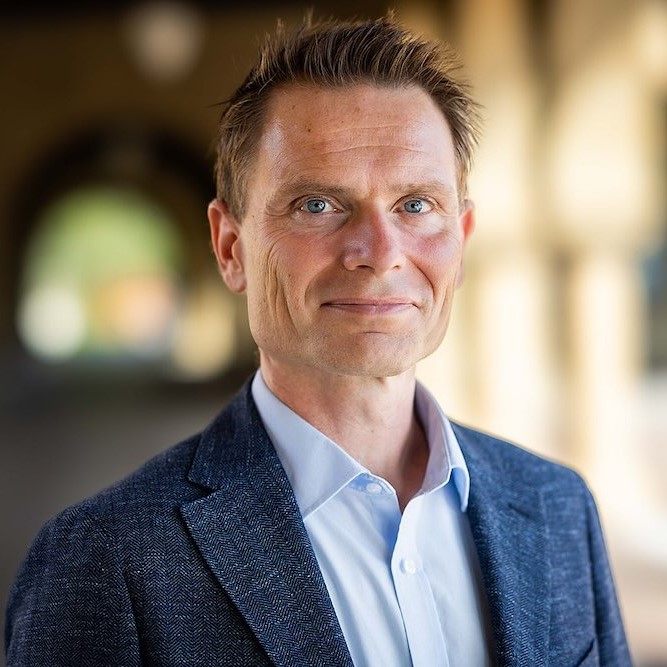
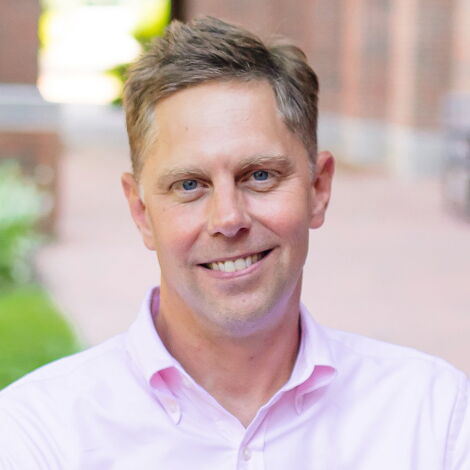
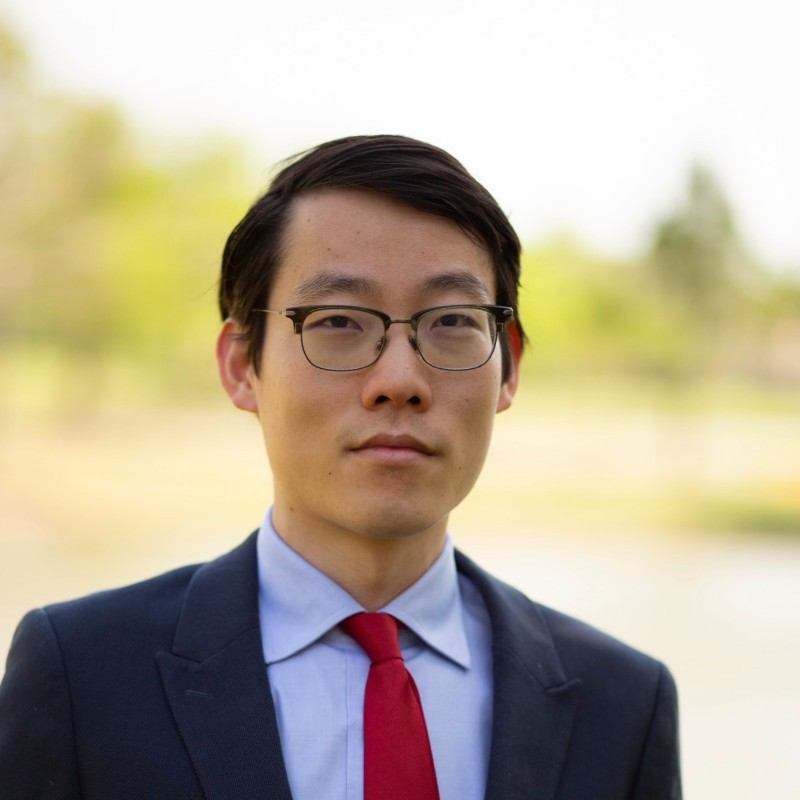
The Kenan Institute Distinguished Fellows, appointed on an annual basis, comprise an exemplary set of global scholars committed to leveraging their individual expertise, thought leadership, research and networks to further the institute’s efforts to examine – and drive solutions to – the most complex and timely issues facing business and the economy today. The 2026 Distinguished Fellows work to support the Kenan Institute’s exploration of balancing workplace demands.

The Kenan Institute’s annual Grand Challenge is a concerted yearlong effort to examine and drive solutions to the most pressing issues facing business and the economy.
Explorations of these topics deliver insights that shape policy, strengthen America’s workforce and promote business growth.