
The World Has Changed, Four Years On: A Scorecard
Four years ago, Christian Lundblad wrote that the world had changed and underlined three concerns for business leaders. Now the professor is grading his work.
Four years ago, Christian Lundblad wrote that the world had changed and underlined three concerns for business leaders. Now the professor is grading his work.
Research Fellow Christian Lundblad discussed a surprising jobs number and a complicated time for the Fed, as the possibility of an oil-driven increase in the inflation rate looms over future interest rate decisions.

Stanford Institute for Economic Policy Research (SIEPR) Policy Fellow - and former Chief Economist of General Motors - Elaine Buckberg outlines how electric vehicles can save the economy as well as the environment.
UNC Kenan-Flagler Energy Center Director Stephen Arbogast discusses the power of carbon taxes to accomplish several goals for energy producers and consumers alike.
Stephen Arbogast, Director of the Energy Center at the Kenan-Flagler Business School, offers an in-depth explanation of supply dynamics in global energy markets--and why oil and gas prices have been so chaotic.
The high cost of building plants and safety concerns are among the obstacles blocking U.S. nuclear power’s return to relevance as an energy source, but the opportunity is there and government action will play a part.
It is probably not a mystery to even the most casual observer of political affairs why the historic climate, health care and tax bill signed earlier this month was dubbed the Inflation Reduction Act. Inflation is high and causing real problems for many households, and so if only Congress could legislate it away by enacting … This is not to say that the package does not deserve any enthusiasm; it is an impressive legislative feat, making significant, though imperfect, advances on health care and climate change. On the other hand, the effect it will have on inflation, its raison d’être in name, will be modest at best and occur only over time.
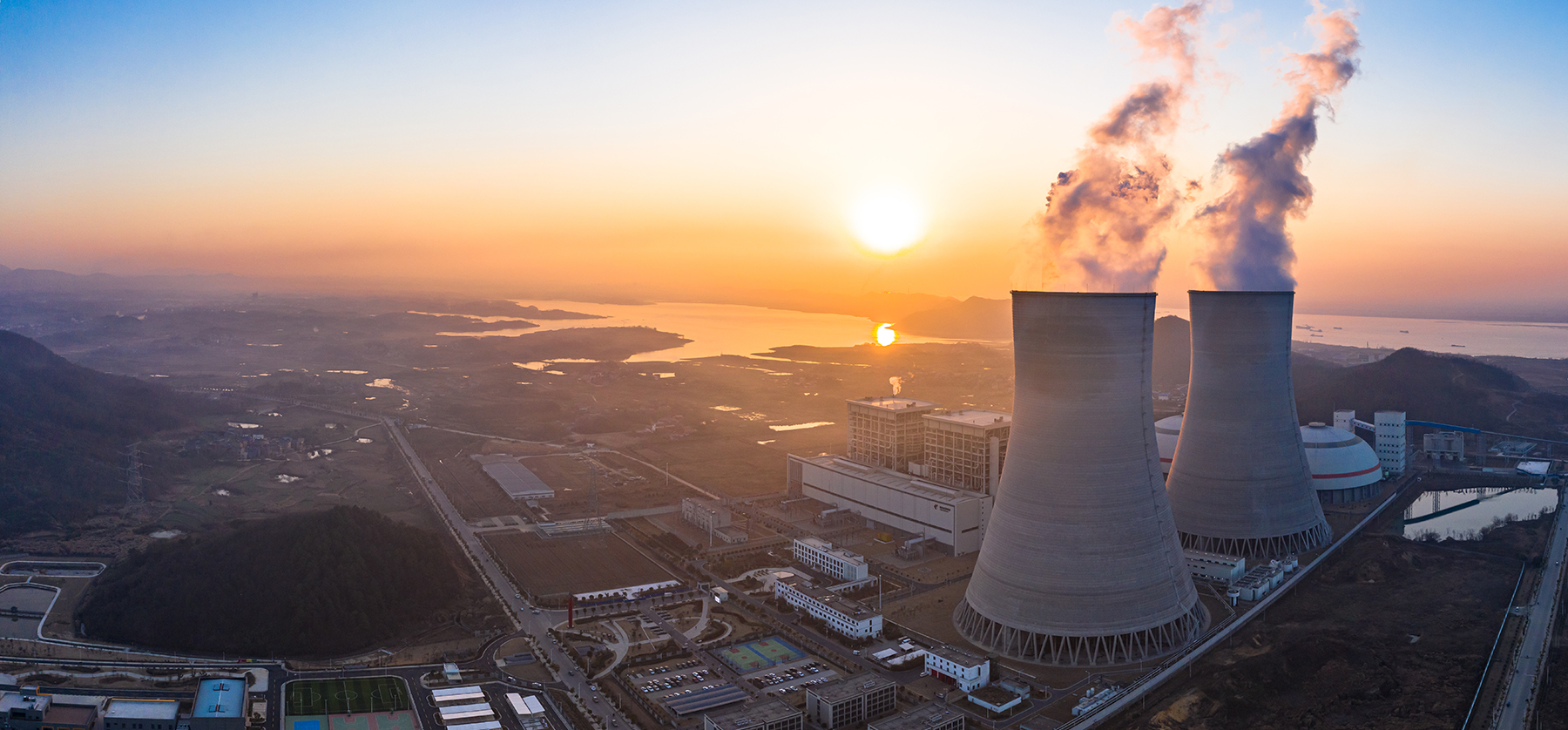
Nuclear power’s star has dimmed in recent years, diminished by the rise of solar, wind and natural gas as well as the 2011 disaster at Japan’s Fukushima plant. Now many nations, suddenly in need of a secure, clean energy source, have plans to reopen or extend the lives of their existing facilities.
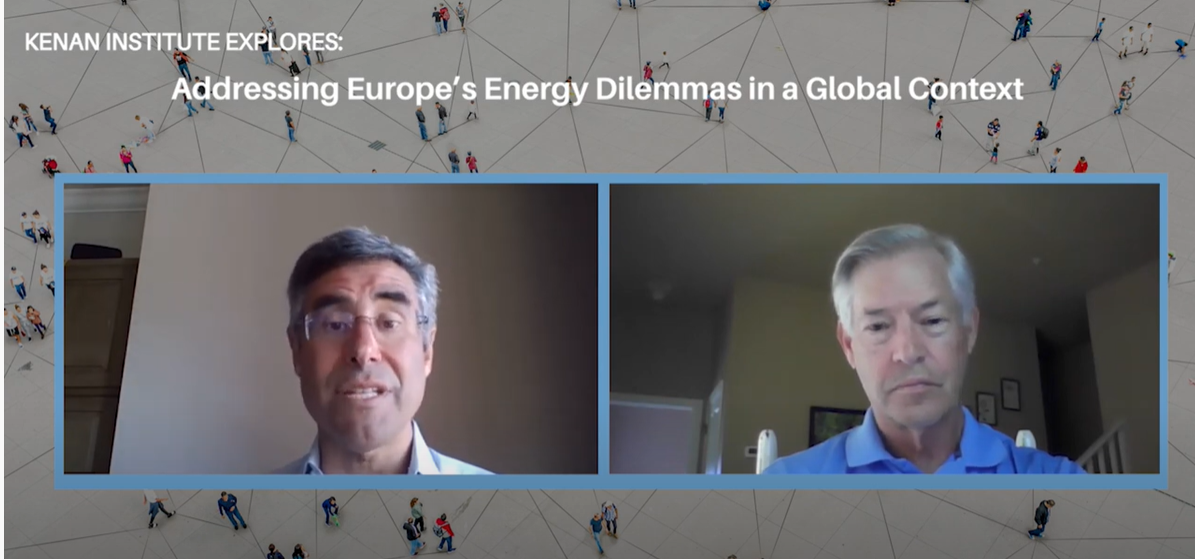
UNC Kenan-Flagler Business School Finance Professor Stephen Arbogast discusses why embargoes on Russian oil aren’t working, why renewable energy sources aren’t the fix and how the missing link in increasing production could stabilize Europe’s energy outlook.
Further embracing renewable energy sources can help in the long term, but short- and medium-term solutions will require other answers. Join us for a virtual discussion at 11 a.m. June 20 as Stephen Arbogast, Kenan-Flagler Business School Finance Professor and director of the Energy Center, talks with Chief Economist Gerald Cohen about how focusing on the global energy supply can help Europe select the best options for creating a more stable energy outlook.
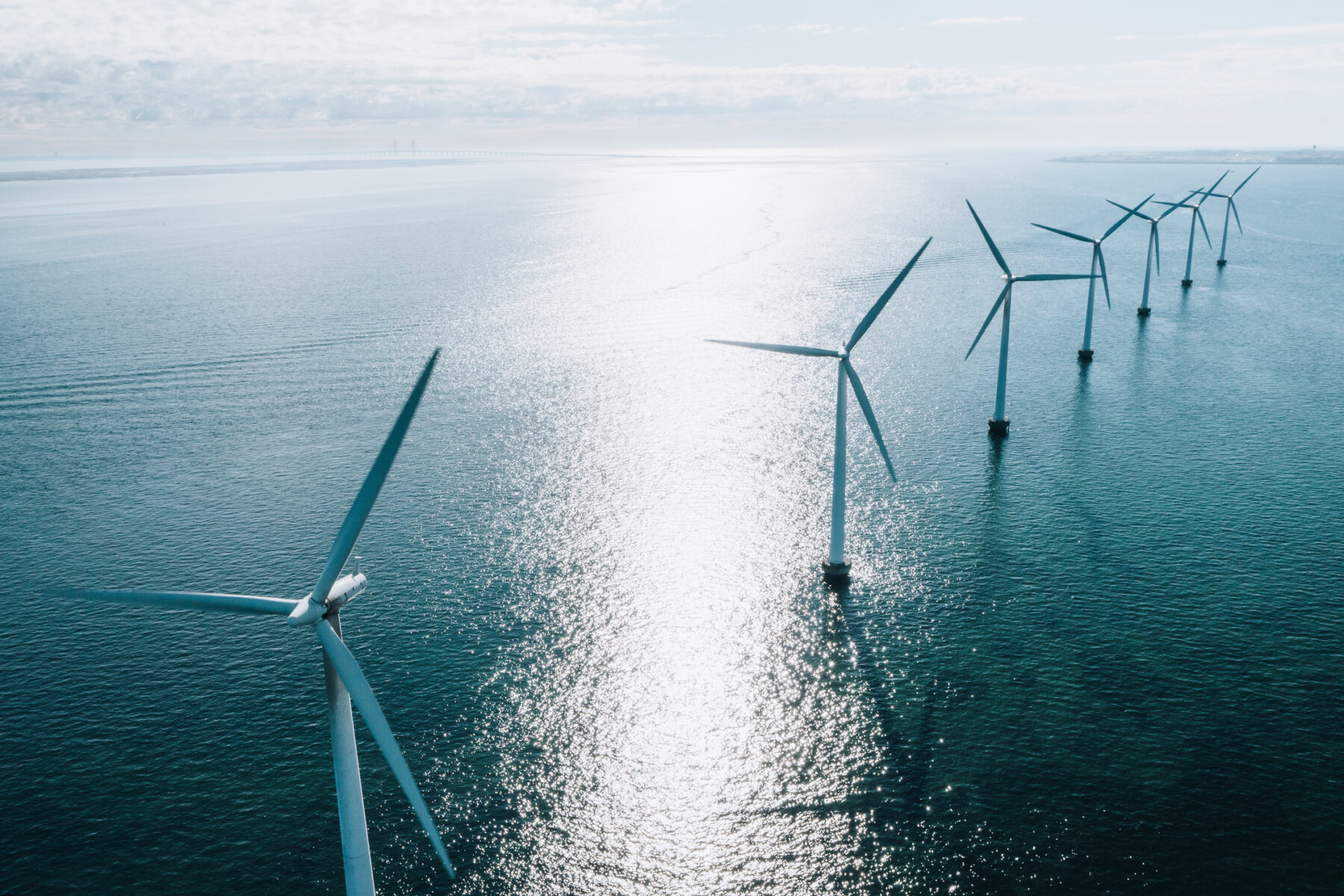
Mark Little, executive director of the Kenan Institute-affiliated center CREATE, provided expert testimony in a process that resulted in a May 11 settlement agreement regarding contracting and hiring practices for Dominion Energy’s $9.8 billion Coastal Virginia Offshore Wind renewable energy project.
First, the good news. Given what we know about current economic conditions, it is likely that the consumer inflation rate has peaked in the U.S. for the current cycle. Recent inflation reports on the Consumer Price Index (CPI) and Personal Consumption Expenditures (PCE) Implicit Price Deflator, which is the Federal Reserve’s preferred measure, show a jump to new 40-year highs in March but signs of moderation in coming months. For example, consumer goods with very large 12-month cost runups such as used cars and food away from home are starting to see prices moderate. Likewise, prices of important household goods like apparel, furnishings, prescription drugs and recreation commodities (think TVs and Pelotons) are flattening. Furthermore, some important energy prices such as crude oil and gasoline have stabilized in April after jumps in the first quarter. So, while inflation will surely remain elevated for some time, it is unlikely to get much worse.

Much attention is being focused on energy supply security issues, especially for European oil and gas supplies. The latest Russian decision to halt natural gas sales to Poland and Bulgaria has reinforced that continent’s awareness of the perils of unreliable suppliers. Europe’s short-term focus is on sanctioning Russia and then backfilling the forgone oil and gas from other sources.

Out of the rubble of World War II, we collectively and deliberately built an institutional order that established norms of acceptable behavior and placed constraints on powerful nations. While work remains to create broader economic opportunity and some regions have suffered terrible conflict, the economic and financial globalization that this order fostered nevertheless yielded the greatest period of peace and economic prosperity that humanity has ever known. The more than 70 years since the war’s conclusion are, however, very atypical, and we are now returning to a setting far more familiar to any student of history, where strength and power supersede norms and rules. The world is characterized by a renewed struggle between illiberal autocracy and liberal democracy.
Inflation hit a 40-year high of 7.8% in February. We estimate energy prices will raise inflation by another percentage point in March. If sustained, the runup in gas prices will take a $100 billion-sized bite out of households’ wallets, weighing on consumer spending – and ultimately, inflation.
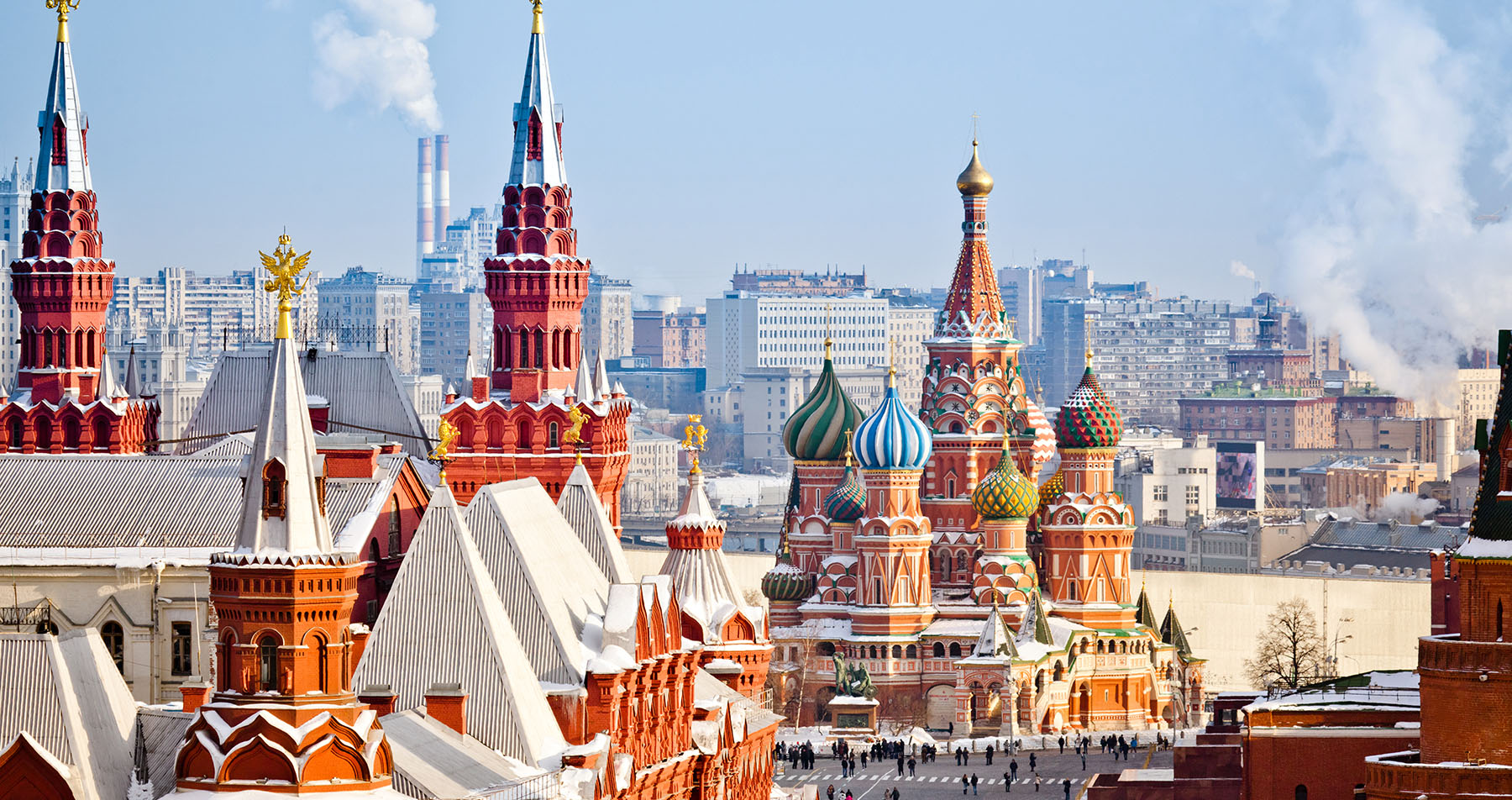
Together with many business and economic leaders around the globe, we at the Kenan Institute of Private Enterprise support the harshest feasible sanctions against Vladimir Putin in the immediate interest of Ukraine and its people. More broadly, we view such measures as vital to the long-term survival of democratic values. But as the Russian invasion continues, seemingly unabated by unprecedented economic and financial sanctions, we must ask: what more is feasible? And for how long can such restrictions be sustained?