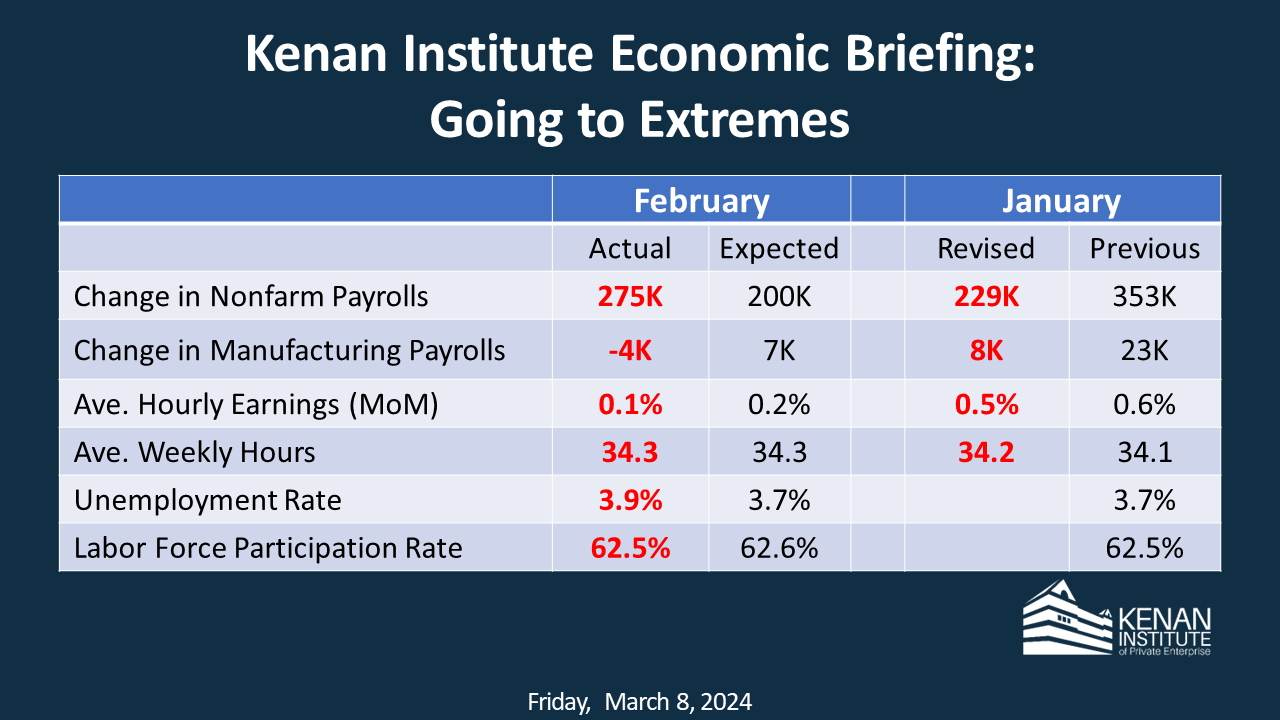
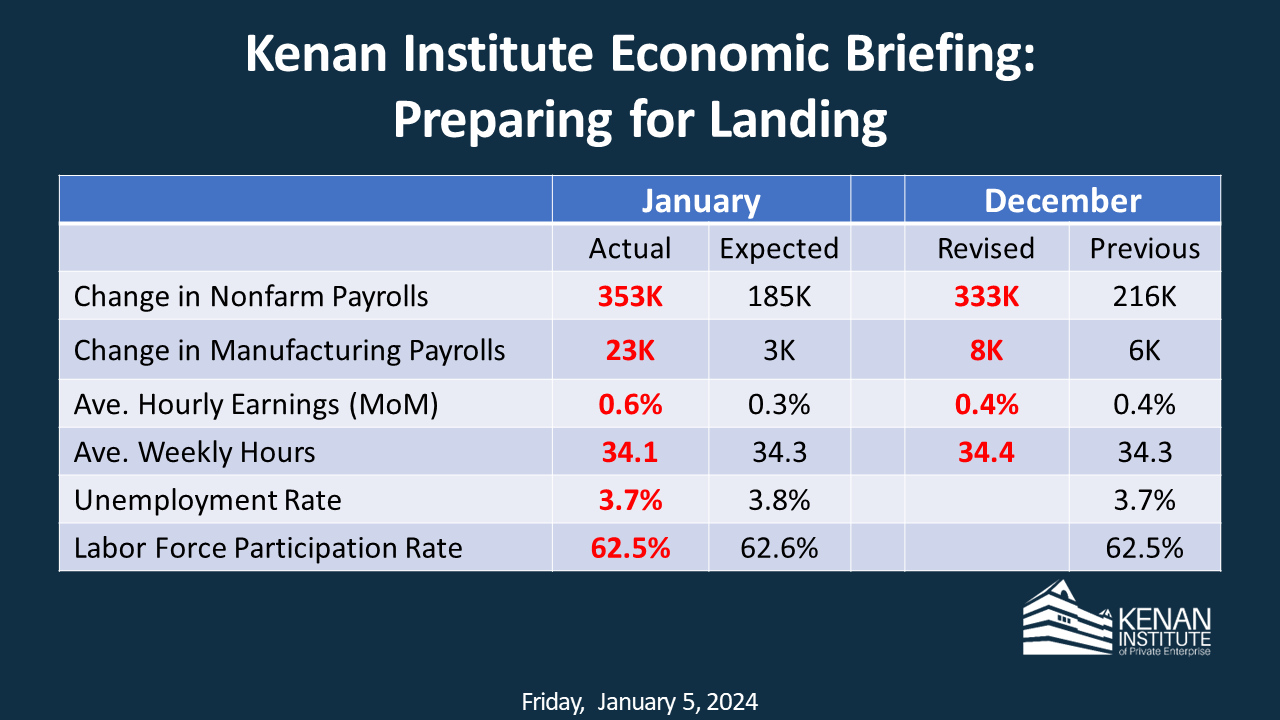
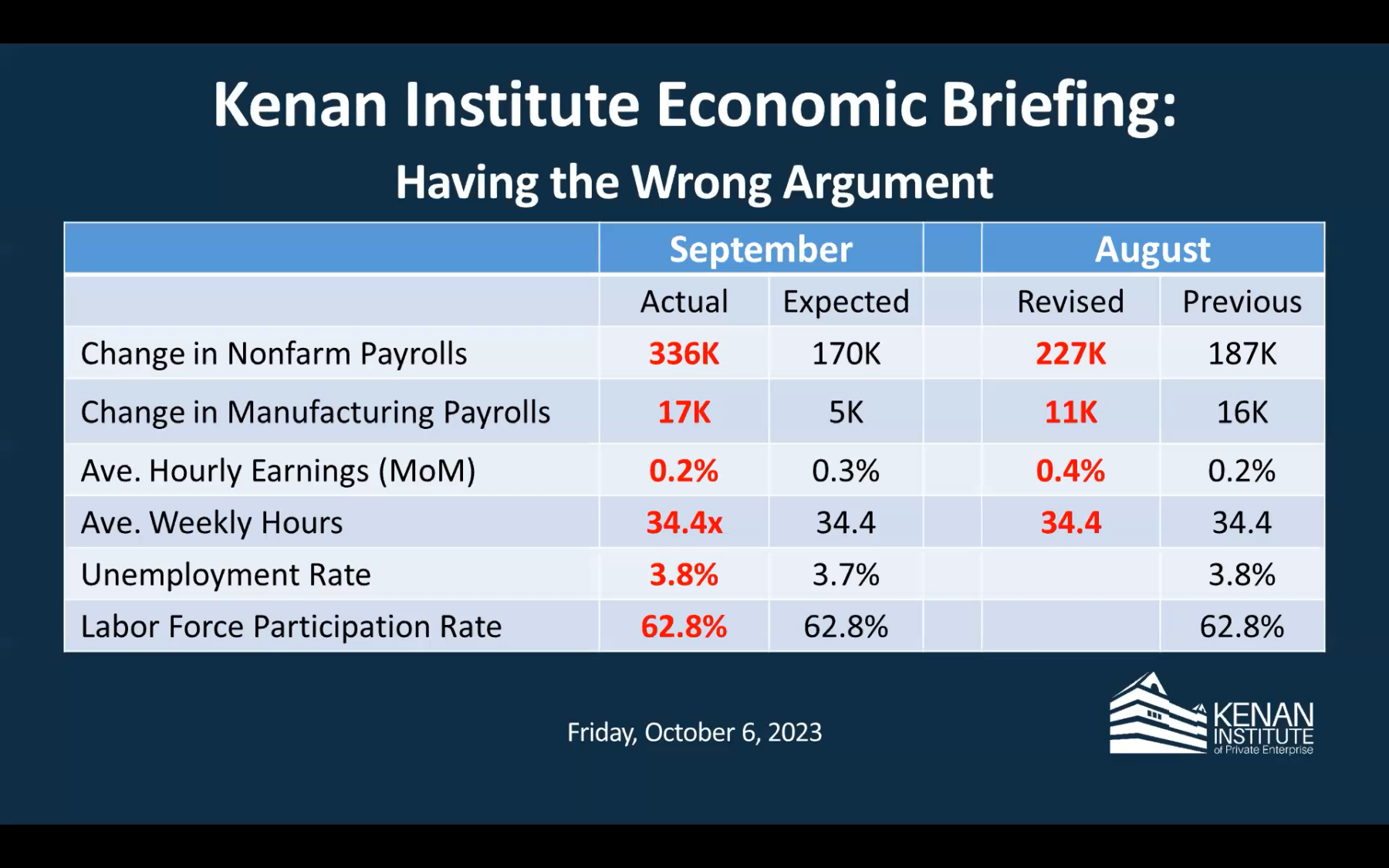
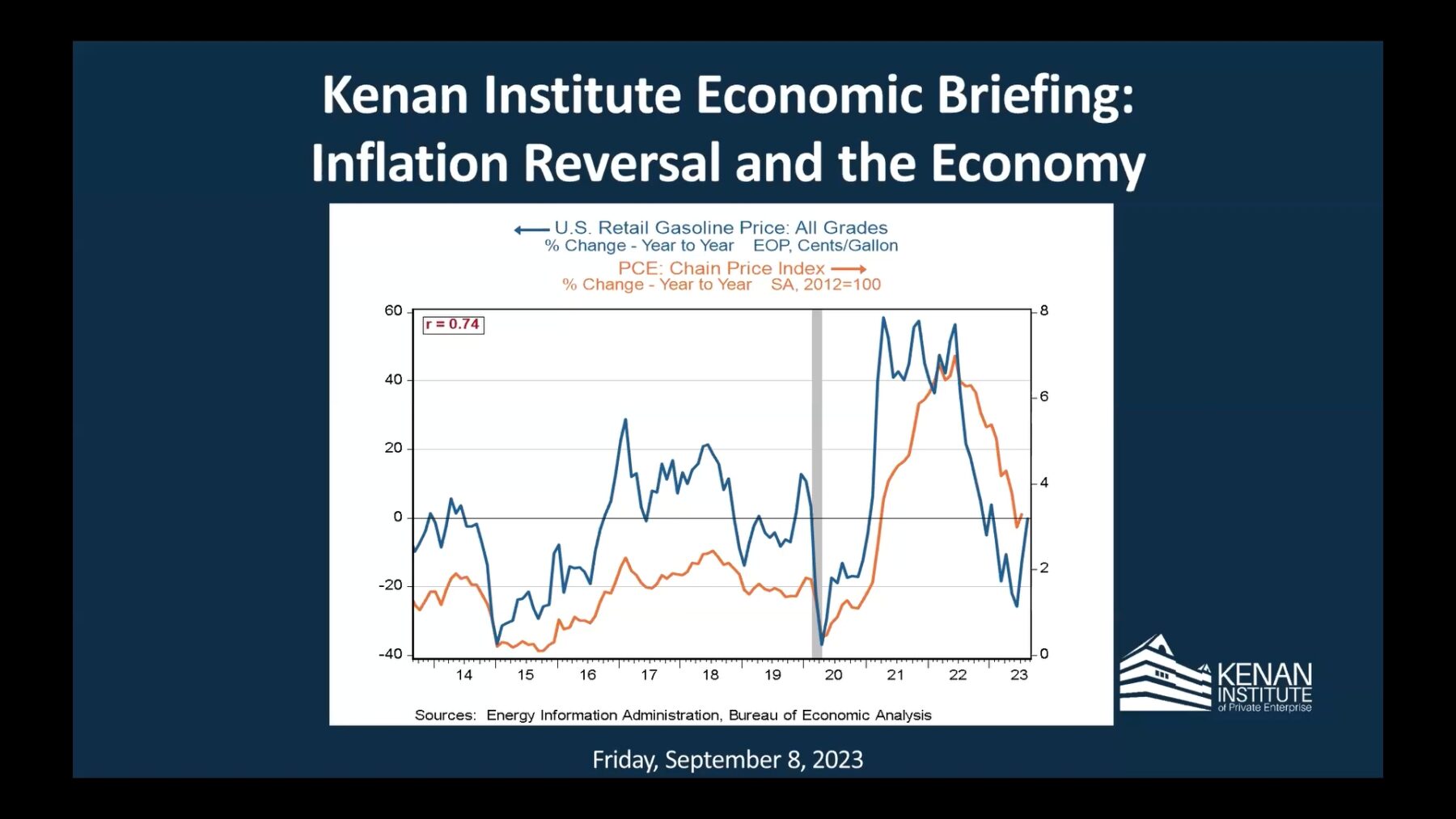
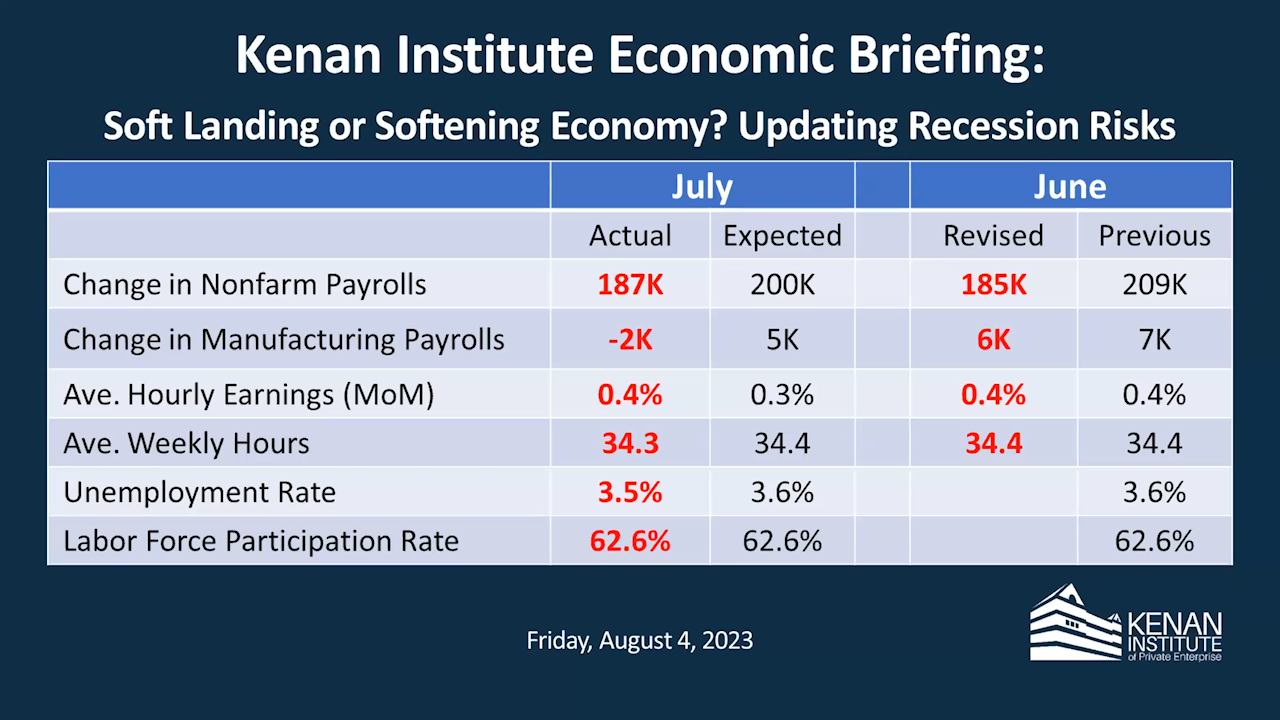
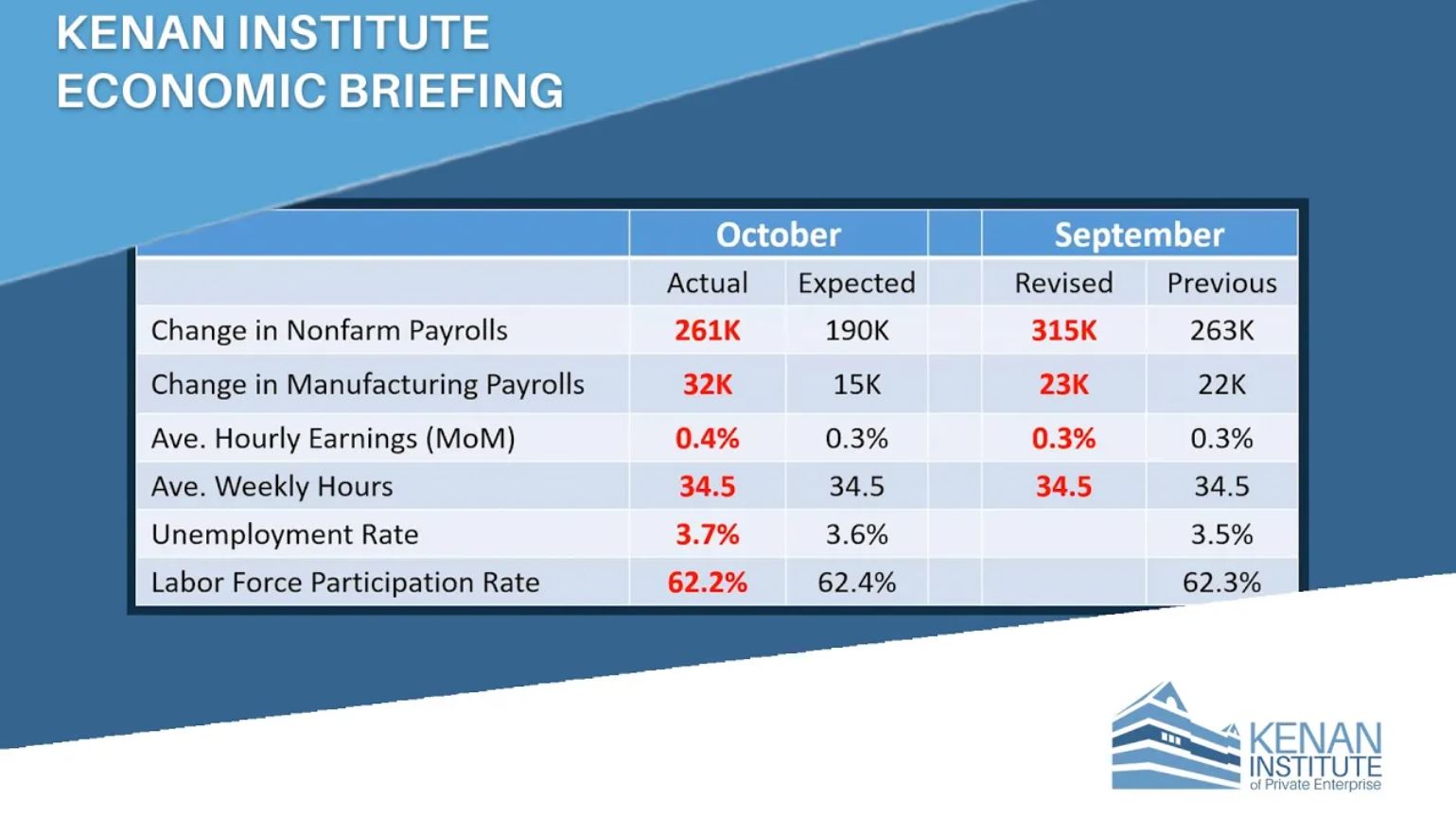
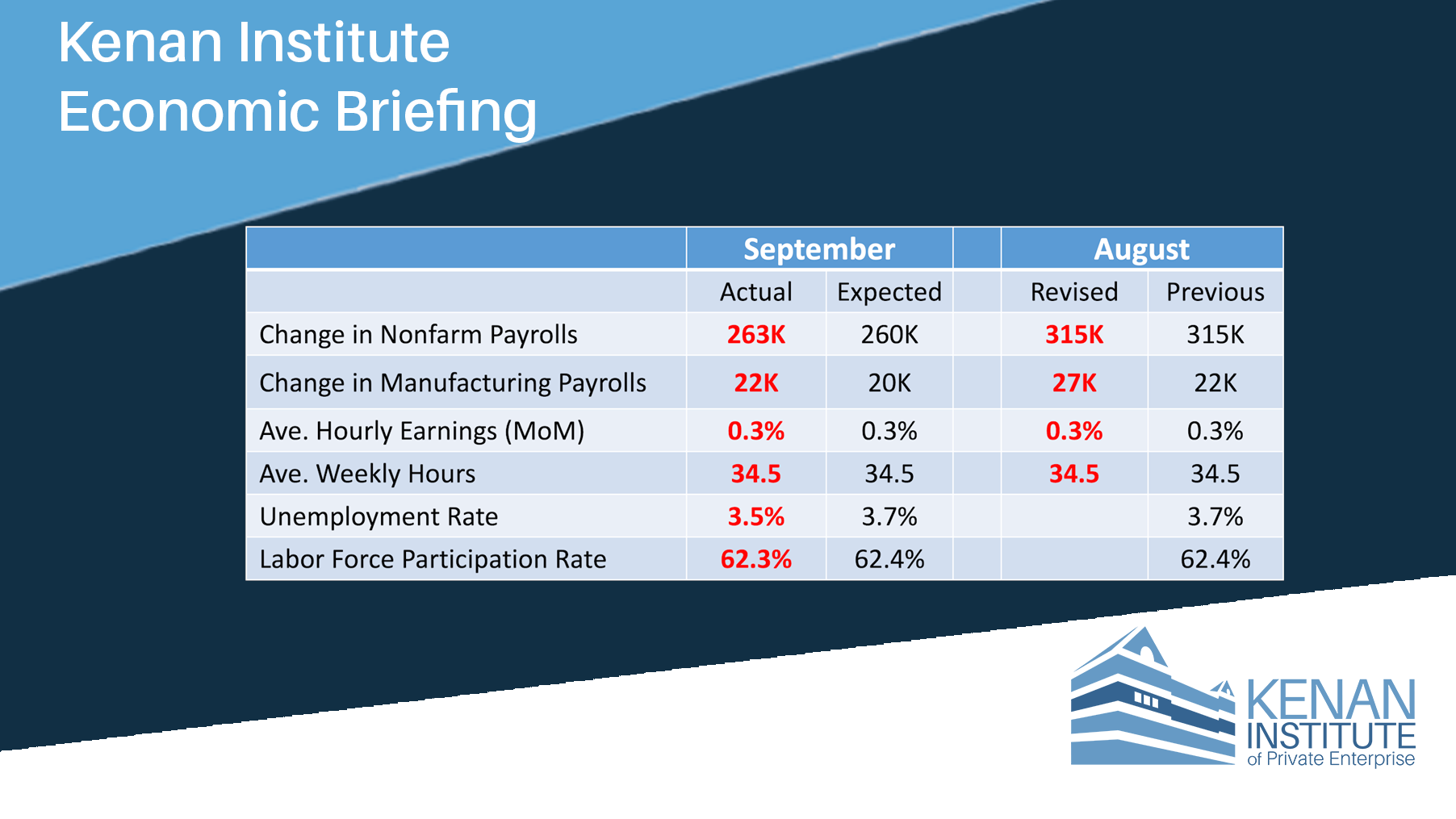
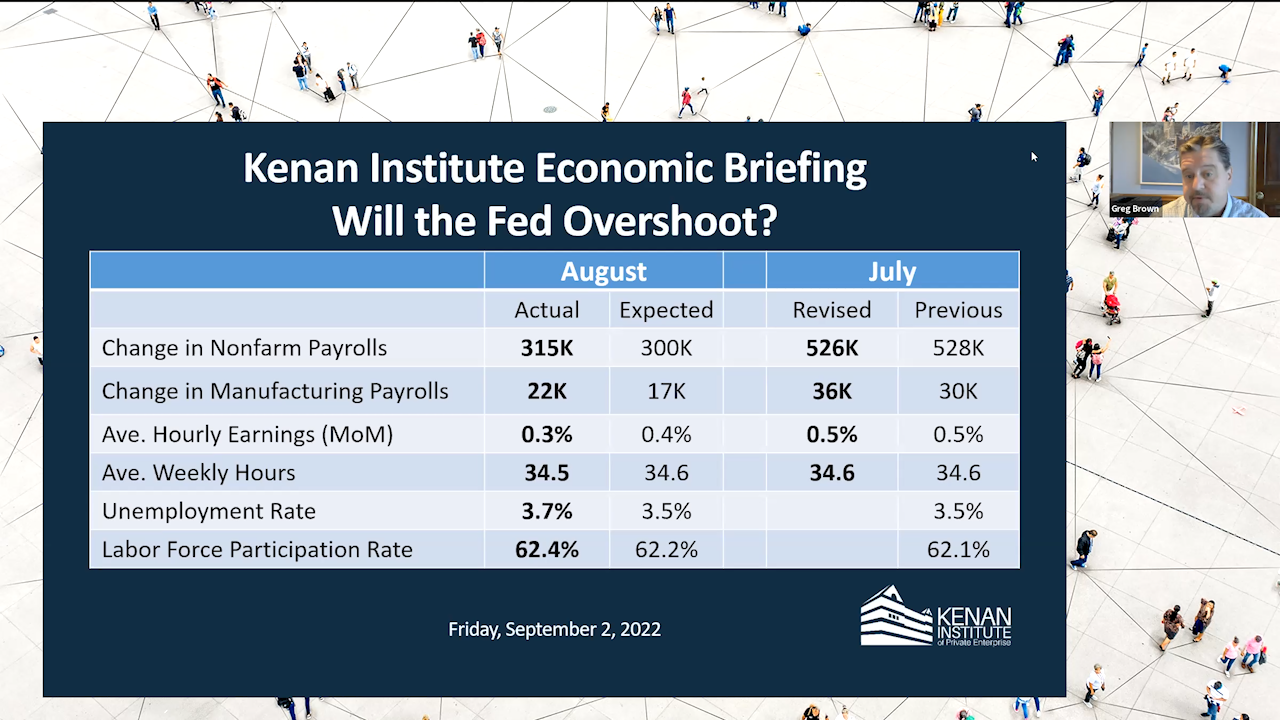
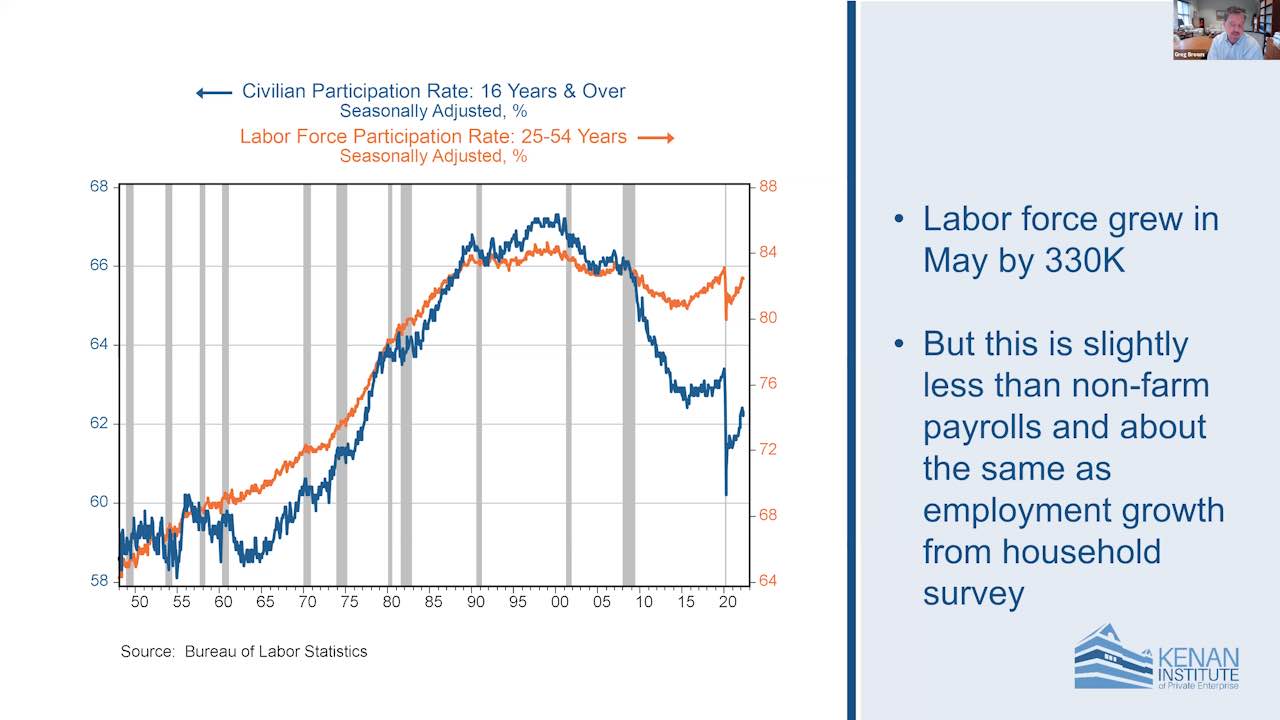
Join Kenan Institute Research Fellow Greg Brown as he discusses the up-and-down year for job growth and the fresh employment report during the institute’s monthly briefing at 9 AM EDT Friday, May 8.

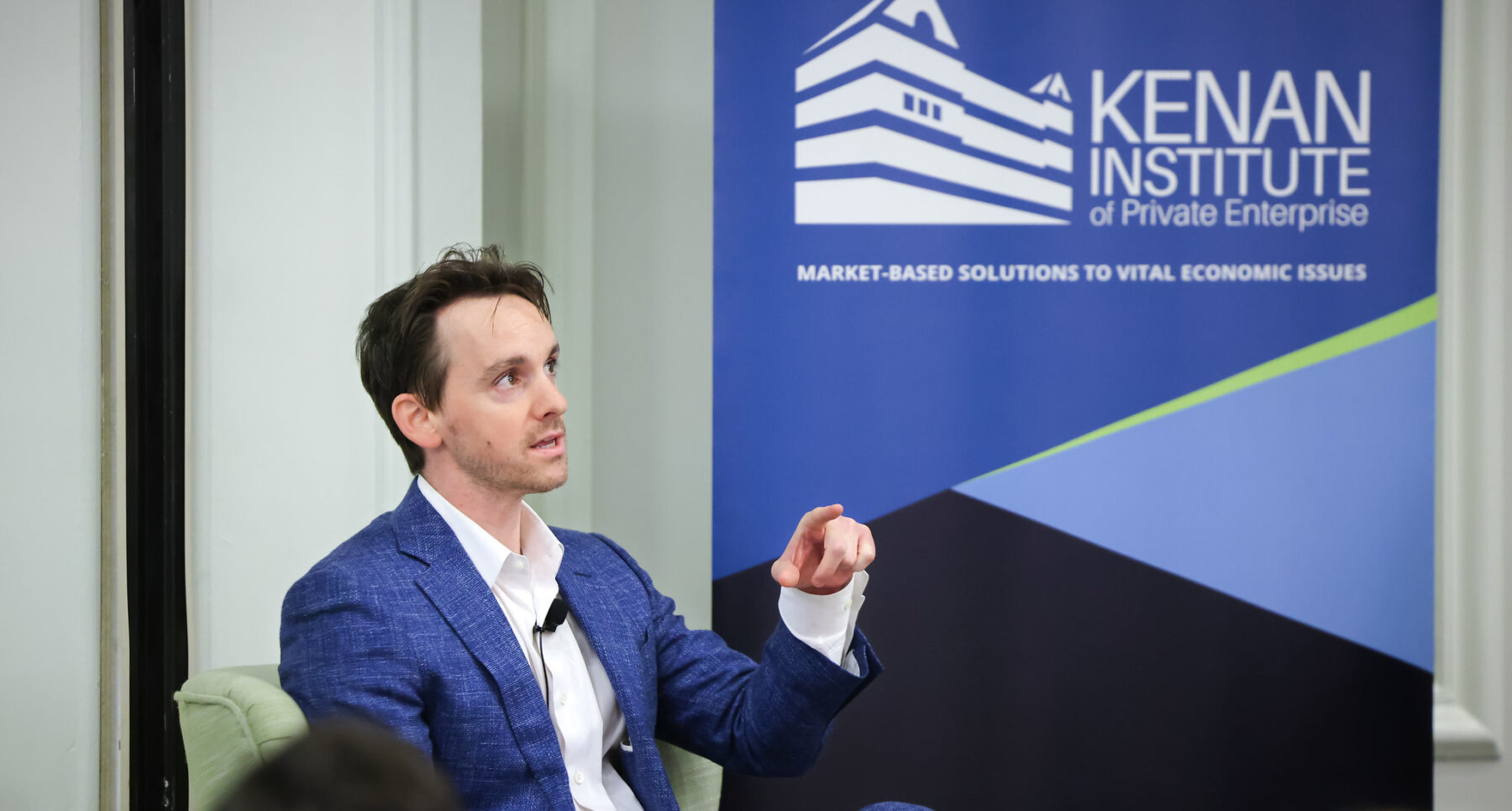
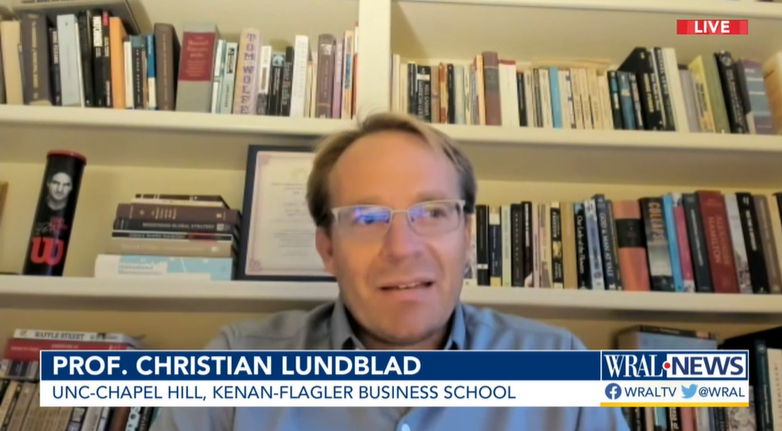
Beneath the headlines about Iran and oil, a quieter story is building. Join Kenan Institute Research Fellow Christian Lundblad as he discusses the situation and takes your questions during the institute’s monthly briefing at 9 AM EDT Friday, April 3.

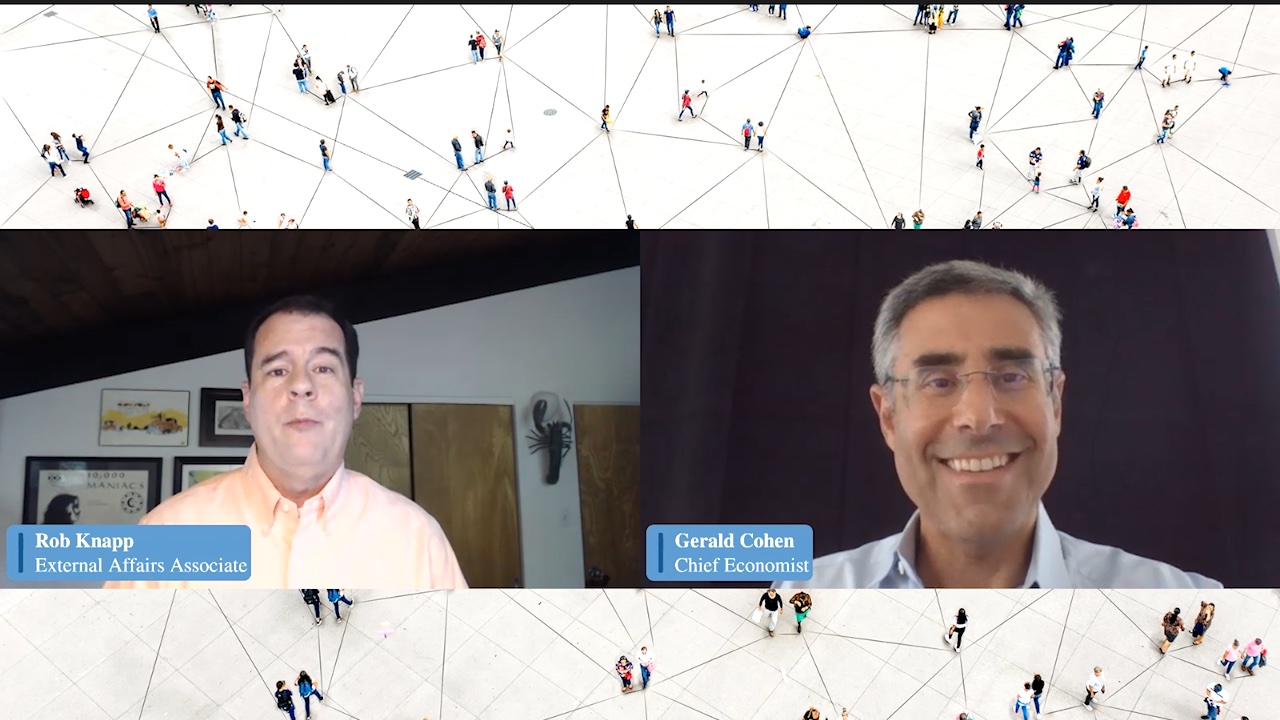
The government shutdown has slowed the flow of economic data out of Washington to a trickle. Kenan Institute Chief Economist Gerald Cohen will look at available indicators to fill the gap during the institute’s monthly briefing at 9 AM EST Friday, November 7.
Join us for the 2025 Frontiers of Business Conference: Bridging the Skills Gap on October 9 in Chapel Hill, NC. Be part of the conversation and discover innovative solutions to position workers and businesses to succeed.
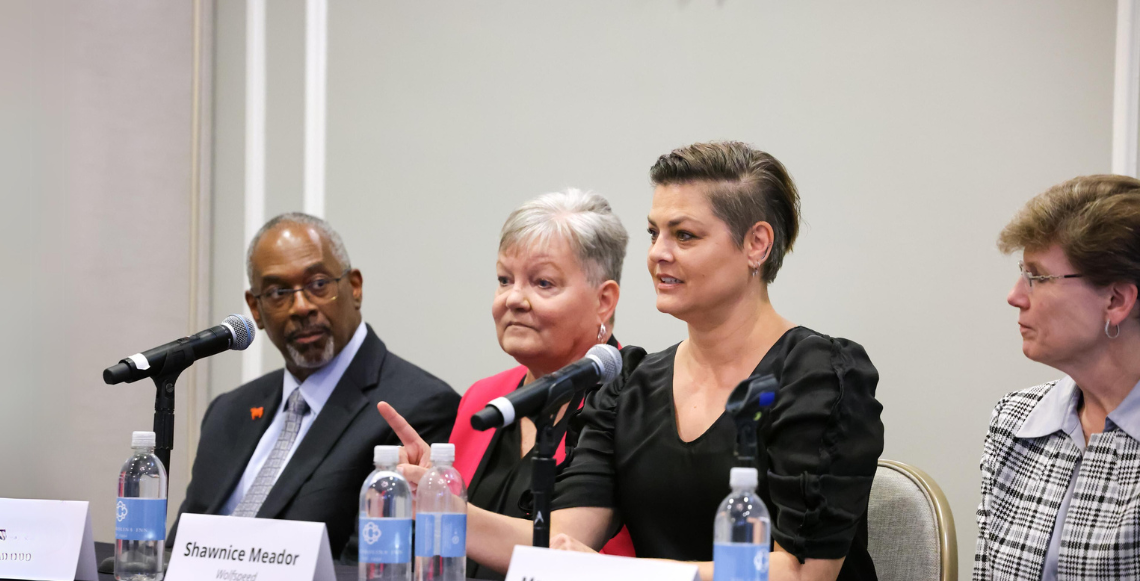
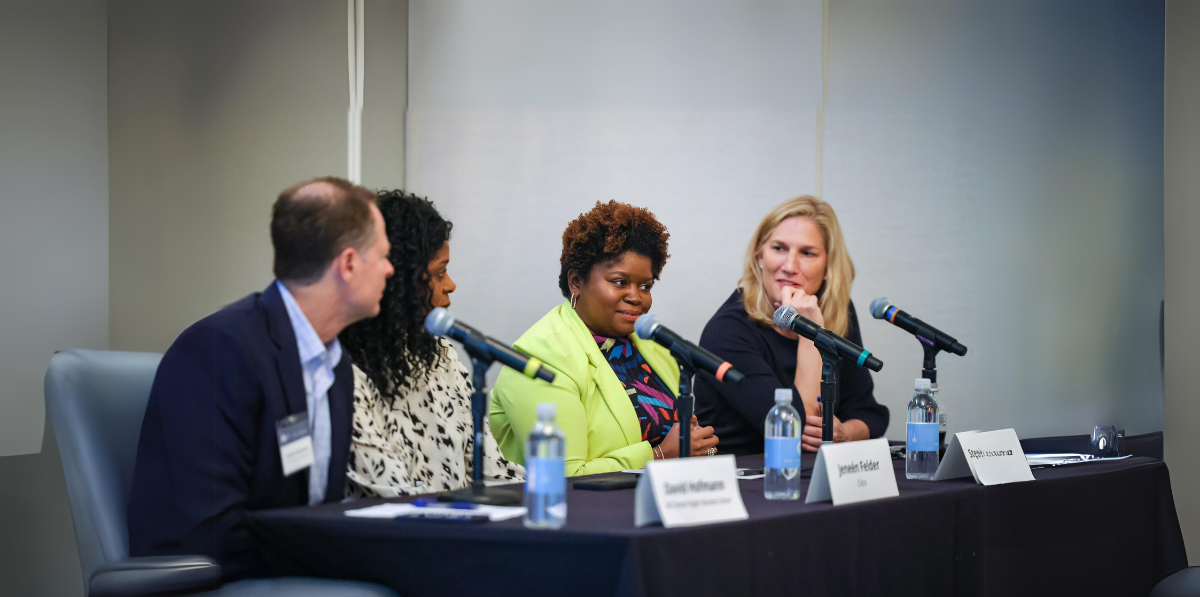
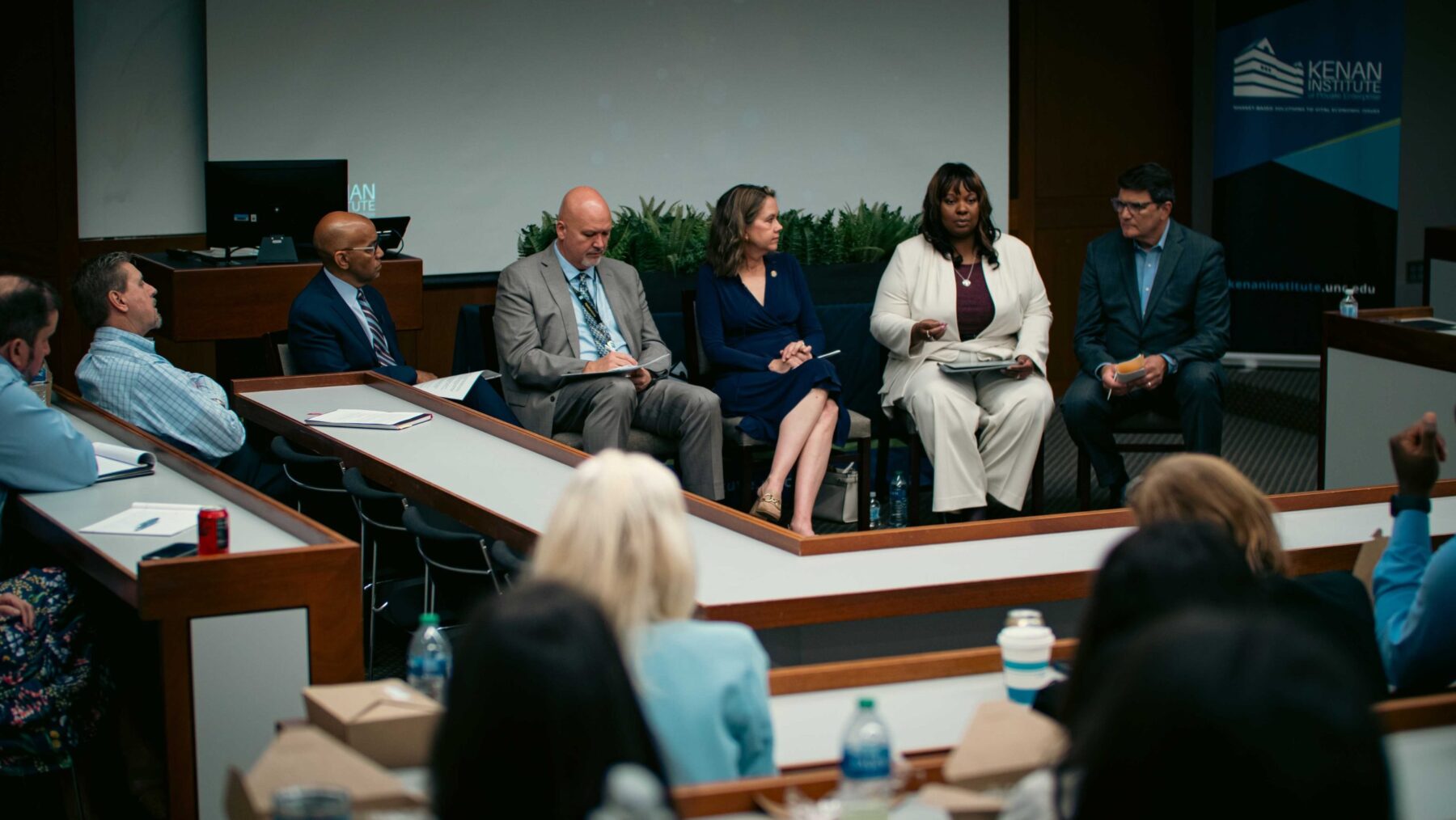
North Carolina’s growing skills gap reflects a national challenge, but the state’s robust job market is creating high-paying opportunities for skilled workers. We talked to four experts about how to successfully scale the state’s apprenticeship and training efforts.
Kenan Institute Research Director Camelia Kuhnen talked to the Wall Street Journal about the “two-speed economy,” where high earners and many older Americans are in good shape but unemployment for others has jumped.
We update an August 2023 piece in which we explain why manufacturing remains essential for economic growth and how manufacturing in the US today incorporates both regional shifts and “stickiness” in traditional strongholds.
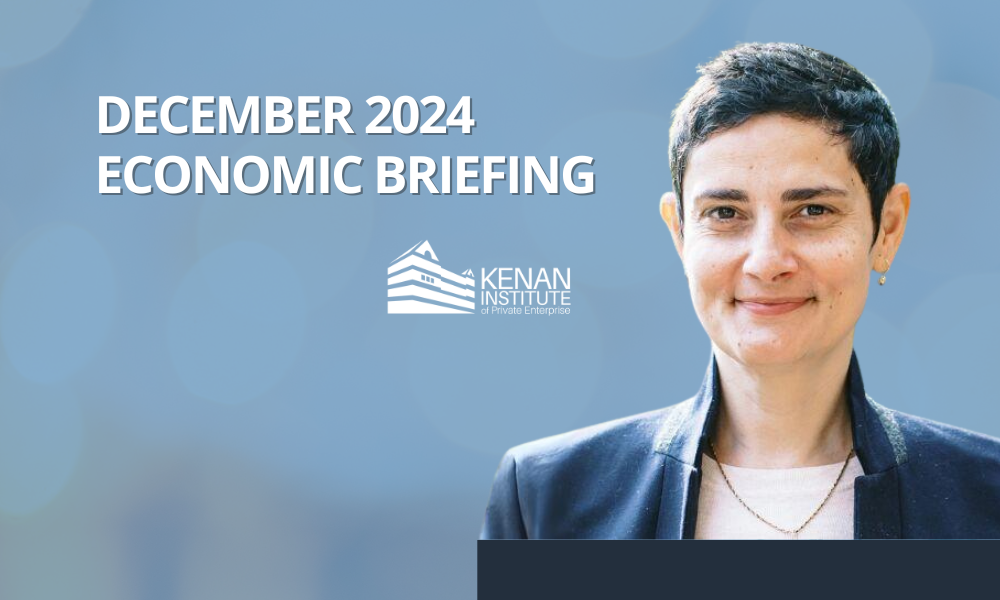
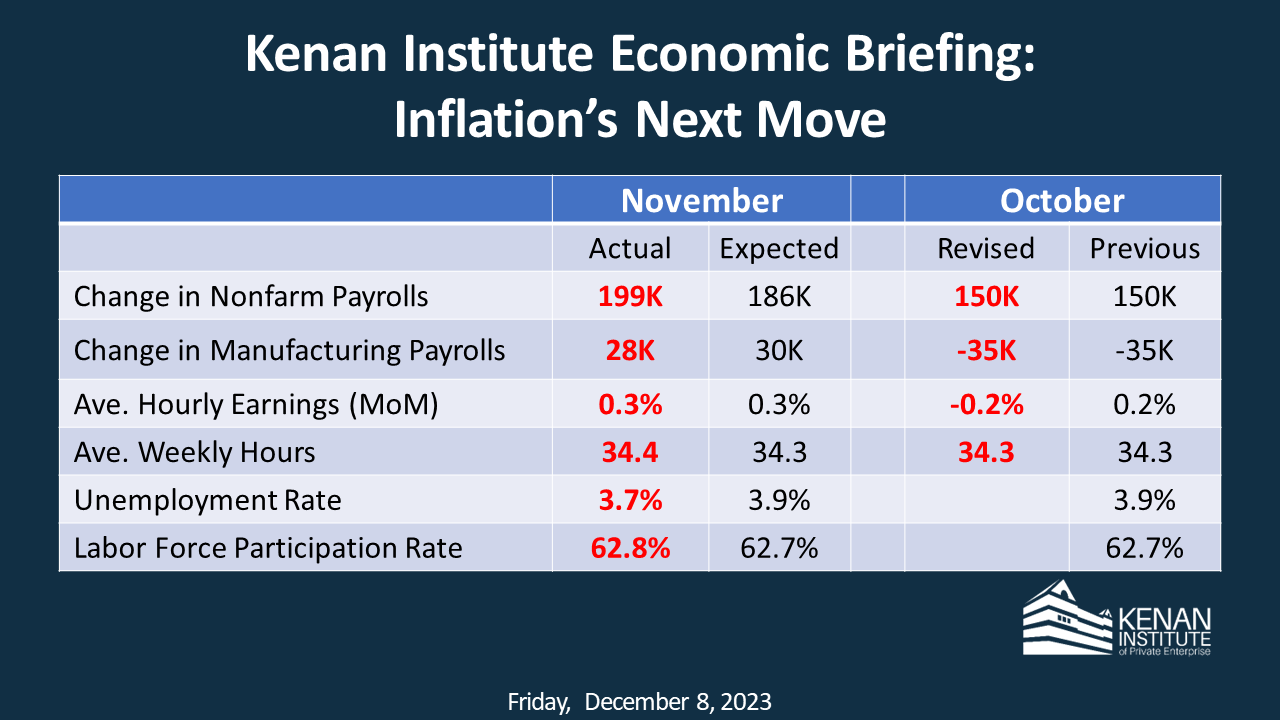
For our December 6 economic briefing, Kenan Institute Research Director Camelia Kuhnen discussed the morning's employment report, which showed a bounce back from October's numbers, and the rise in the level of consumer confidence in recent months.
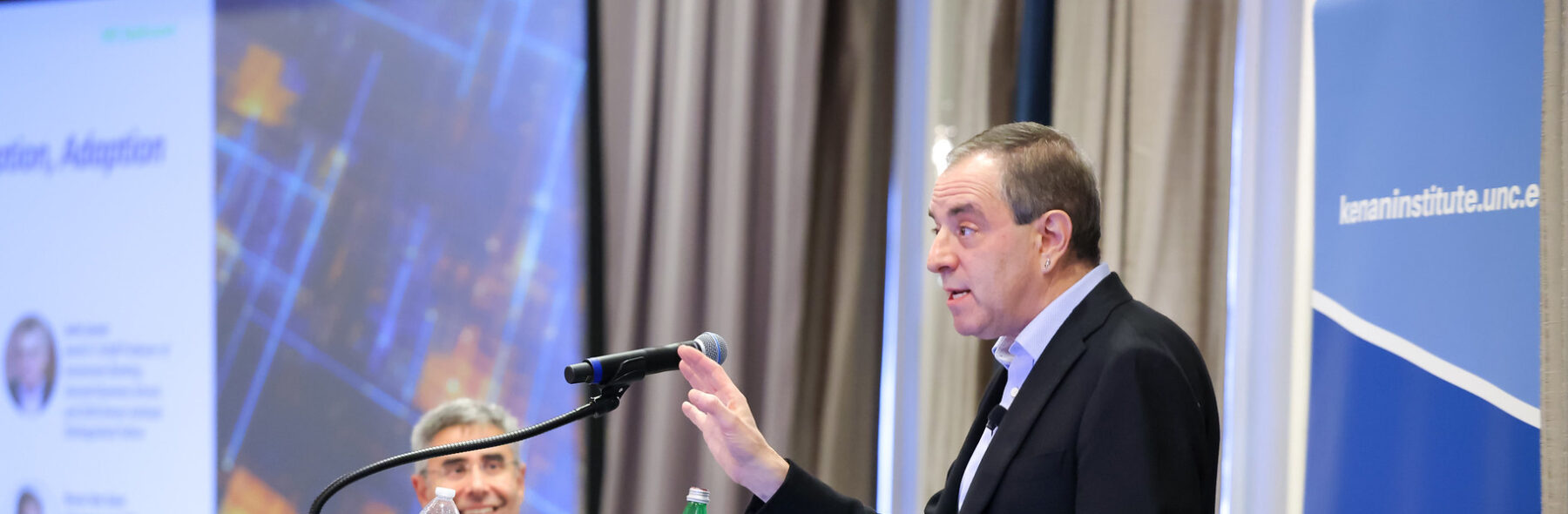
Artificial intelligence was a major topic of conversation at the Frontiers of Business Conference on October 10. See how speakers and panelists think the technology will change the future of business.
In his Frontiers of Business keynote examining the use of artificial intelligence, MIT economist David Autor sees a future where AI extends the expertise of workers rather than replacing them.
The rapid adoption of remote work led to a sharply reduced presence of office workers in urban centers, weakening cities' traditional role as a center for production. Despite the adverse effect of remote work on cities, we highlight that cities' role as a center for consumption remains strong and may have risen with increased time flexibility from workers.
Institute Research Fellow Christian Lundblad discussed the morning's employment report, factors the Federal Reserve is considering before possibly cutting interest rates at its next meeting, and the vital role that government economic data plays.