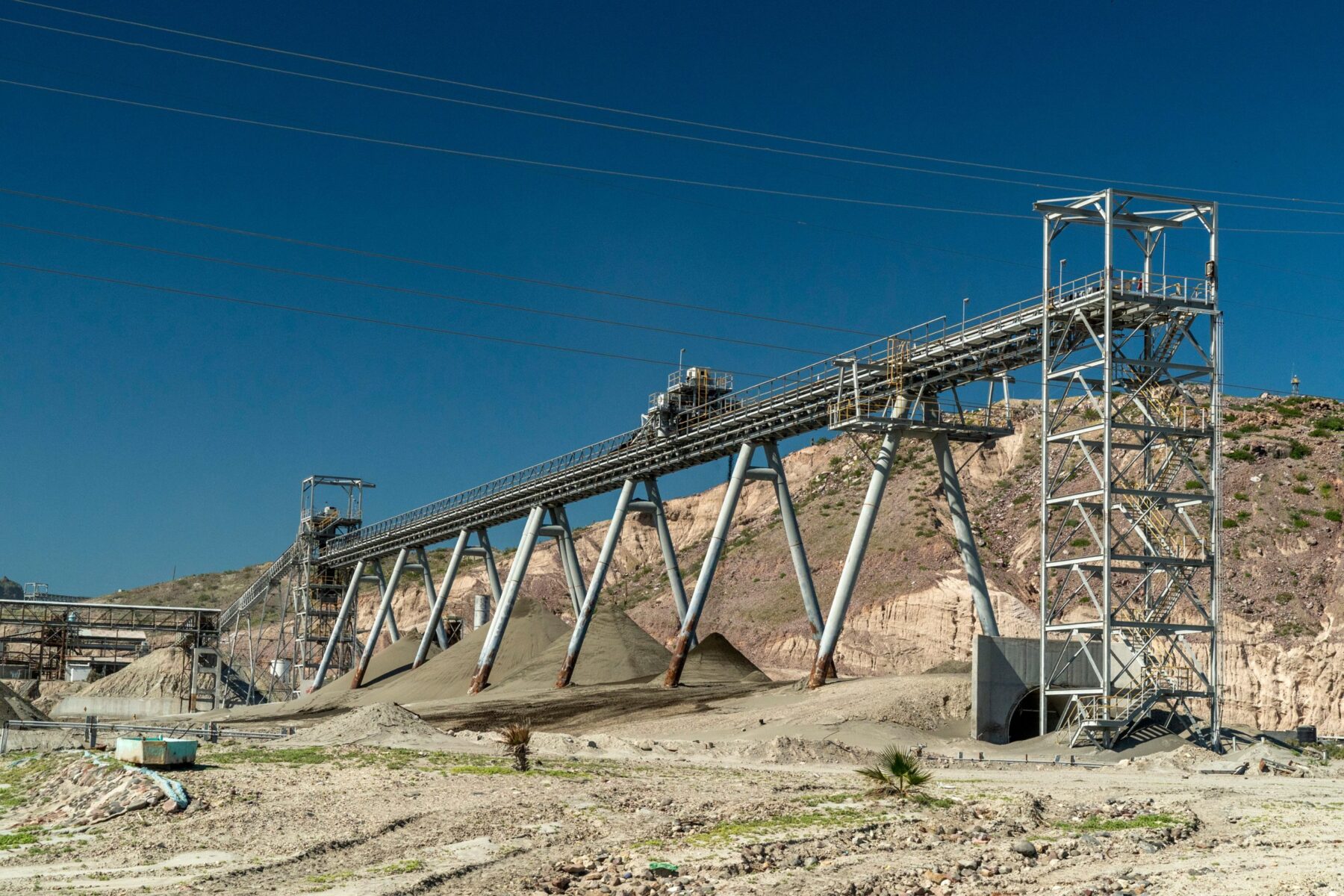


North Carolina is rich in the minerals that power the world’s vital industries and indispensable technologies — from fertilizers to computer chips, electric engines to communications infrastructure — and these natural assets may be undervalued and underutilized. In a new report found here, we estimate the state’s industries producing phosphate, HPQ, and lithium could make more than $6 billion in annual revenue by the end of this decade, income that could generate hundreds of millions of dollars in annual tax revenue for the state and many of its local communities.
Exploiting these resources would help boost economic growth and industrial development in the areas of North Carolina where the minerals are mined and processed. In serving as a source of state and local tax revenue, growing the state’s minerals industries could also support environmental preservation while improving civic infrastructure and other facets of vibrant local communities. Meanwhile, expanding domestic mineral production is necessary to keep supply stable, to develop downstream industries such as electric vehicle manufacturing, and to enhance national security.
The key question for North Carolina’s mineral producers and the government offices overseeing them is how to develop and grow the state’s minerals sector in an optimal way, with guidelines and policies that would help the industry meet its great potential while safeguarding the environment and boosting the economic well-being of all North Carolinians.
Using publicly available corporate and market data, we analyzed the current production volumes and values of North Carolina’s phosphate, HPQ, and lithium assets. We modeled these metrics through the year 2029, finding that production of all three mineral assets is primed for precipitous growth.
Using other states’ tax regimes as examples that North Carolina could follow, we modeled the tax revenue that the estimated increased mineral production would generate. This research provides an empirical basis for the economic benefits of expanding North Carolina’s mineral production operations.