
Sekou Bermiss
Associate Professor of Strategy and Entrepreneurship, UNC Kenan-Flagler Business School, and 2025 Kenan Institute Distinguished Fellow

The skills gap – the difference between the skills that employers seek and those that workers possess – is spreading across the US economy, driven by technological breakthroughs, demographic changes and cultural shifts in the workplace. As jobs in need of qualified candidates multiply, employees with skills that are no longer in high demand may require retraining to fill those positions and advance their careers. A workforce with the skills to successfully implement innovation helps companies and the economy grow, so which solutions offer the most promise for closing the gap?
The Kenan Institute’s annual Grand Challenge is a concerted yearlong effort to examine and drive solutions to the most pressing issues facing business and the economy. Explorations of these topics deliver insights that shape policy, strengthen America’s workforce and promote business growth.
The overall skill level in a workforce determines the tasks that workforce can competently perform. As such, it’s directly linked to economic productivity; not only do you need these skills to foster innovation, but the impact of any innovation or technological progress will be severely limited if the workforce lacks the skills to properly use it.
Gerald Cohen
Chief Economist, Kenan Institute of Private Enterprise
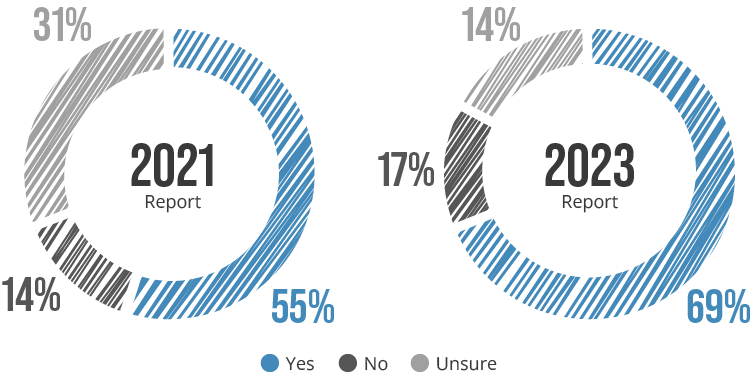
It’s difficult to measure the level of skills in the workforce, which makes it challenging to determine whether there’s a skills gap and whether it’s growing. One method of measurement uses employer-level survey data to assess whether employers can hire workers with the skills they need to perform a given job. The 2023 Wiley survey illustrated here points toward an expanding gap.

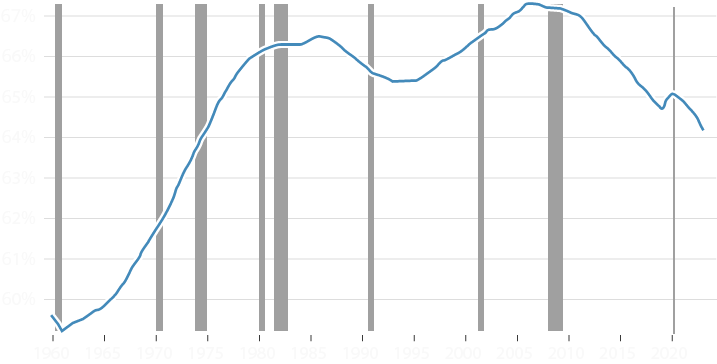
Demographic mix influences the country’s labor pool and its intrinsic skills. With the baby boomer generation moving into retirement, the US labor force participation rate has dropped, leaving employers with a shrinking pool of workers from which to draw the new skills they need.
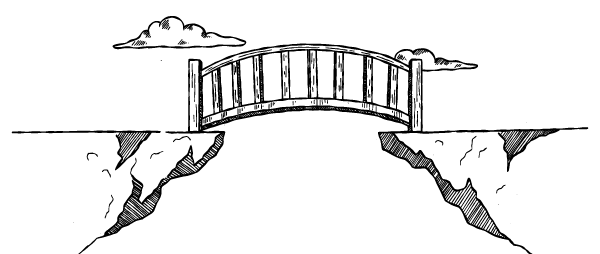
Financing constraints can hinder individuals who want to add or upgrade skills to take advantage of a changing job market. Skills-based training through earn-and-learn programs paid for by employers, such as apprenticeships, eliminate the need for financial aid.
The Kenan Institute Distinguished Fellows, appointed on an annual basis, comprise an exemplary set of global scholars committed to leveraging their individual expertise, thought leadership, research and networks to further the institute’s efforts to examine – and drive solutions to – the most complex and timely issues facing business and the economy today. The 2025 Distinguished Fellows work to support the Kenan Institute’s exploration of the skills gap.


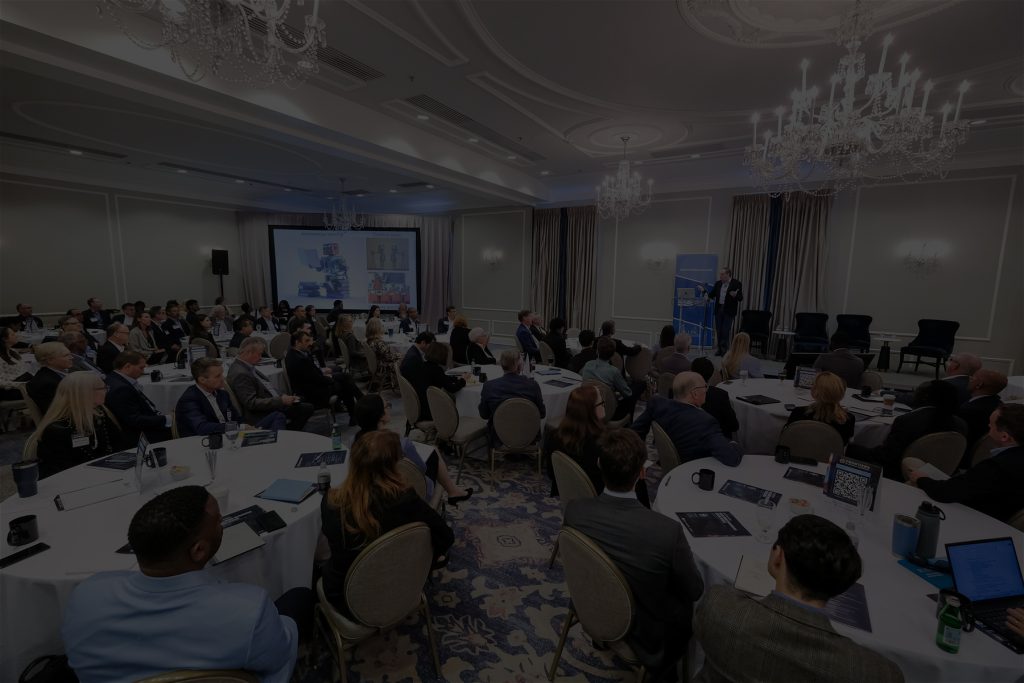

North Carolina’s growing skills gap reflects a national challenge, but the state’s robust job market is creating high-paying opportunities for skilled workers. We talked to four experts about how to successfully scale the state’s apprenticeship and training efforts.

Officials at North Carolina State University’s Shelton Leadership Center offer thoughts on how close the leadership gap by better preparing young employees to lead themselves, others and their organizations.

Recent Kenan Institute research based on interviews across the state highlights the successes and remaining barriers that North Carolina community colleges face in recruiting and retaining students as the labor market continues to evolve.

Kenan Institute Distinguished Fellow Annelies Goger asks how we’ll change educational institutions to prepare for the shift AI will bring in what people do and what they need to know.

The literature on cross-sector collaboration and cross-sector partnership has grown within disciplinary silos, but new literature reflects a growing recognition that siloed efforts no longer match the scale of workforce challenges such as the skills gap.

In an age of constant information overload, Professor Melissa Geil explores why deep listening is vanishing from the workplace and how that’s quietly undermining communication, trust and innovation.

Kenan Institute Distinguished Fellow David Deming of Harvard talks about his research focusing on the potential for effective teamwork involving humans and artificial intelligence.

The AI transformation has yet to happen, prompting uncertainty about potential impacts on the skills gap and the nature of work. Recognizing this will help us develop strategies for mitigating potential risks to workers, firms and the economy.

Our 2025 Grand Challenge examines the skills gap — the difference between the skills that employers seek and those that workers possess — which is being driven by technological breakthroughs, demographic changes and cultural shifts in the workplace.

As businesses increasingly rely on technology, cities with a strong tech workforce gain a competitive edge, experiencing greater economic growth. This shift can be seen in both urban centers and rural areas.

The Kenan Institute’s annual Grand Challenge is a concerted yearlong effort to examine and drive solutions to the most pressing issues facing business and the economy.
Explorations of these topics deliver insights that shape policy, strengthen America’s workforce and promote business growth.