recession

Kenan Institute Economic Briefing: Soft Landing or Softening Economy?

Kenan Institute Economic Briefing: Soft Landing or Softening Economy?

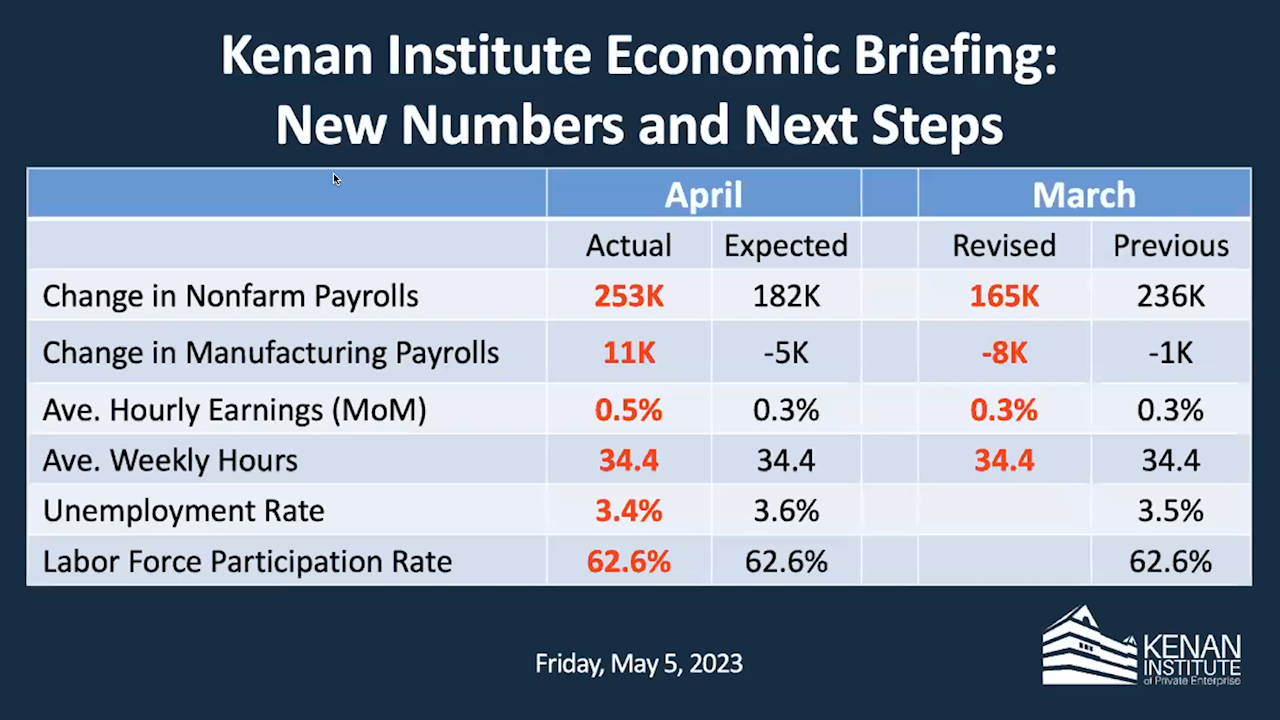
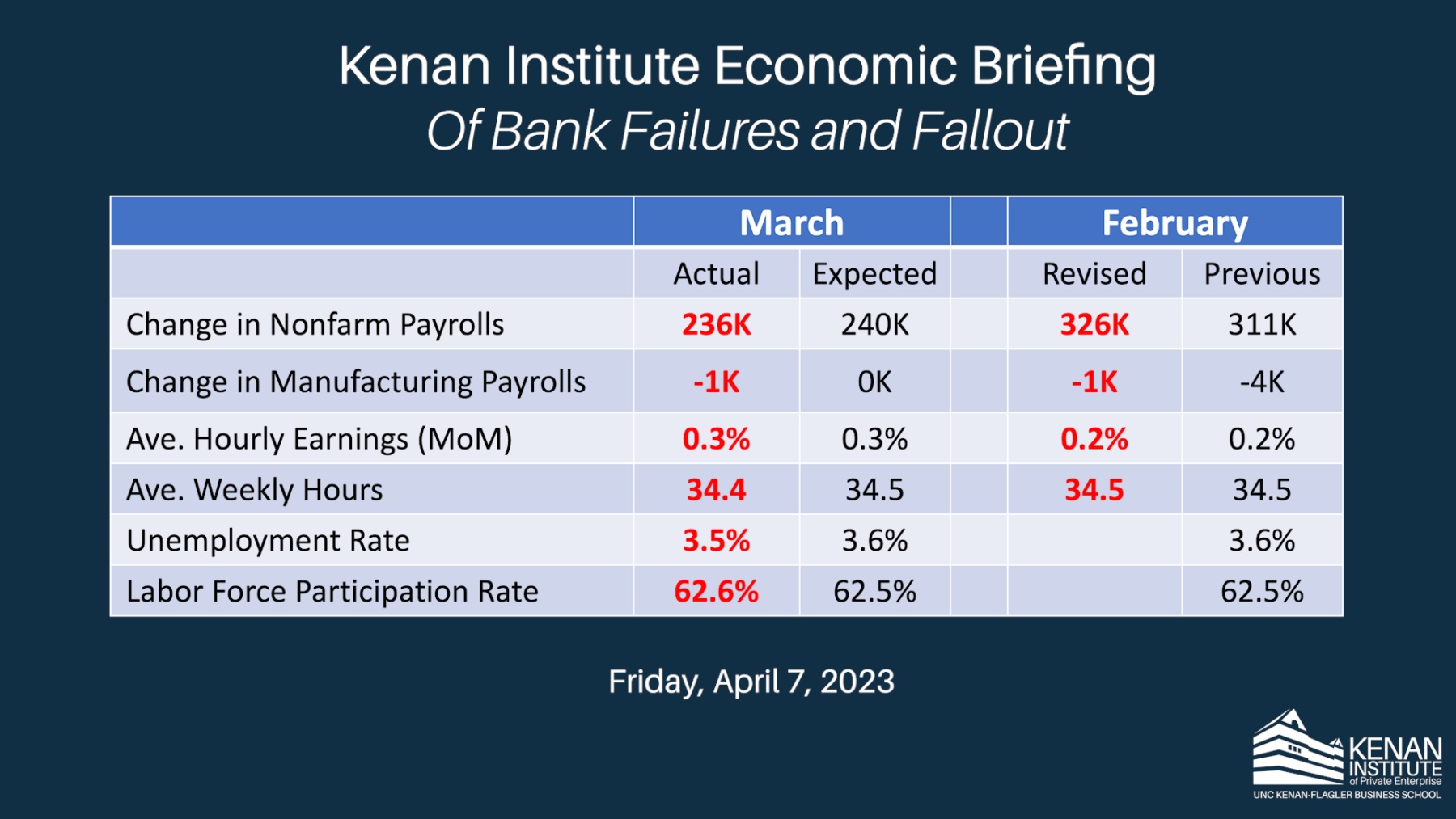
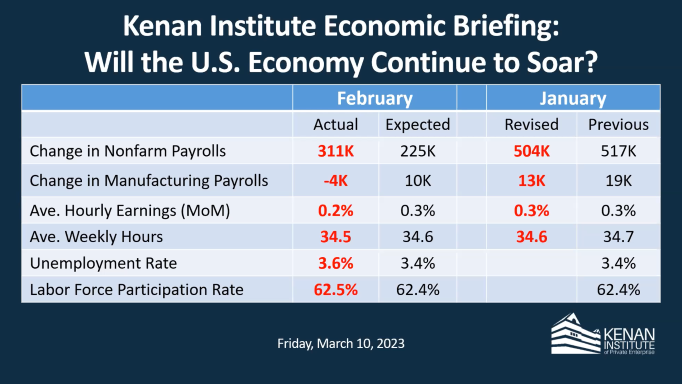
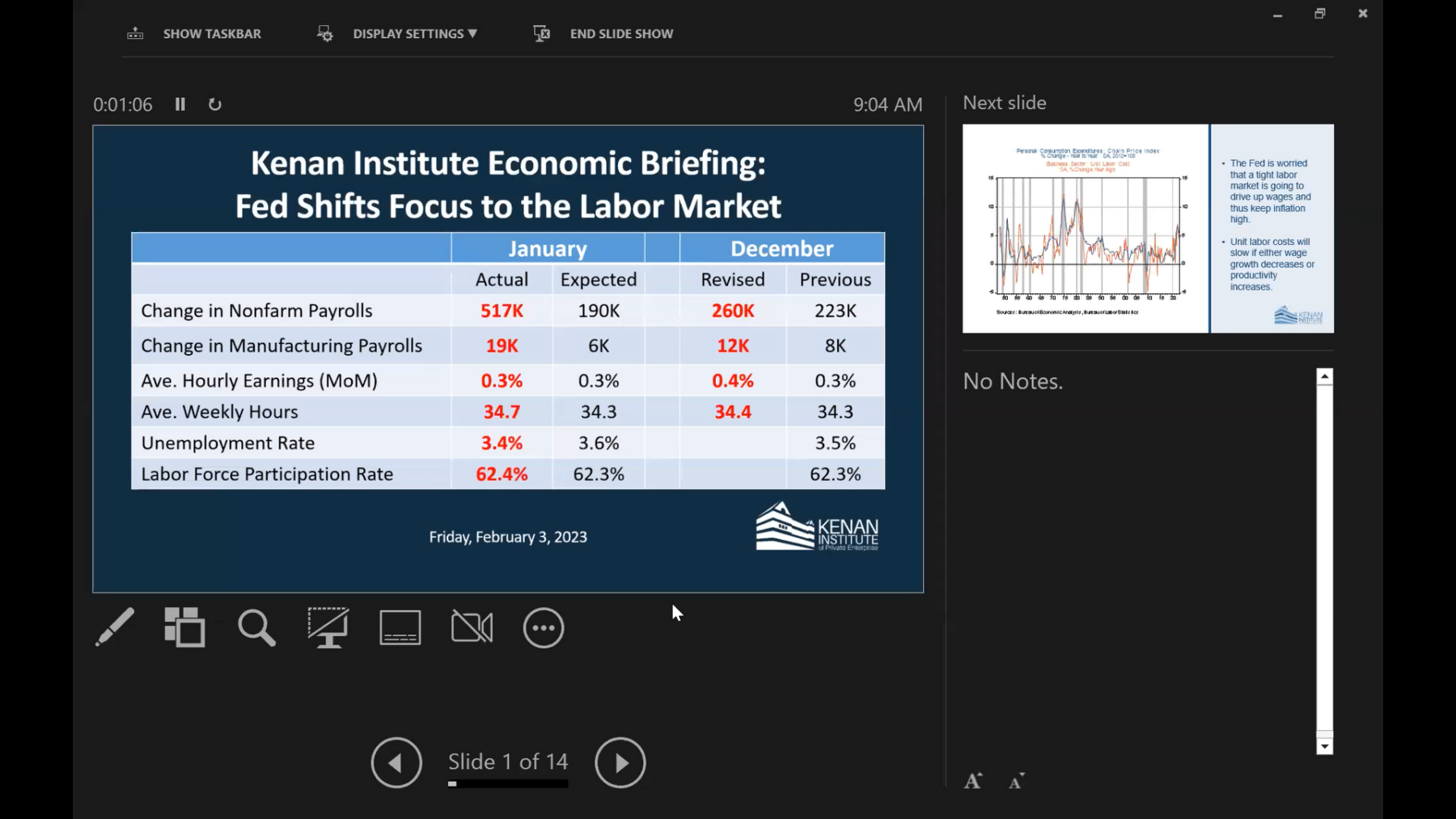
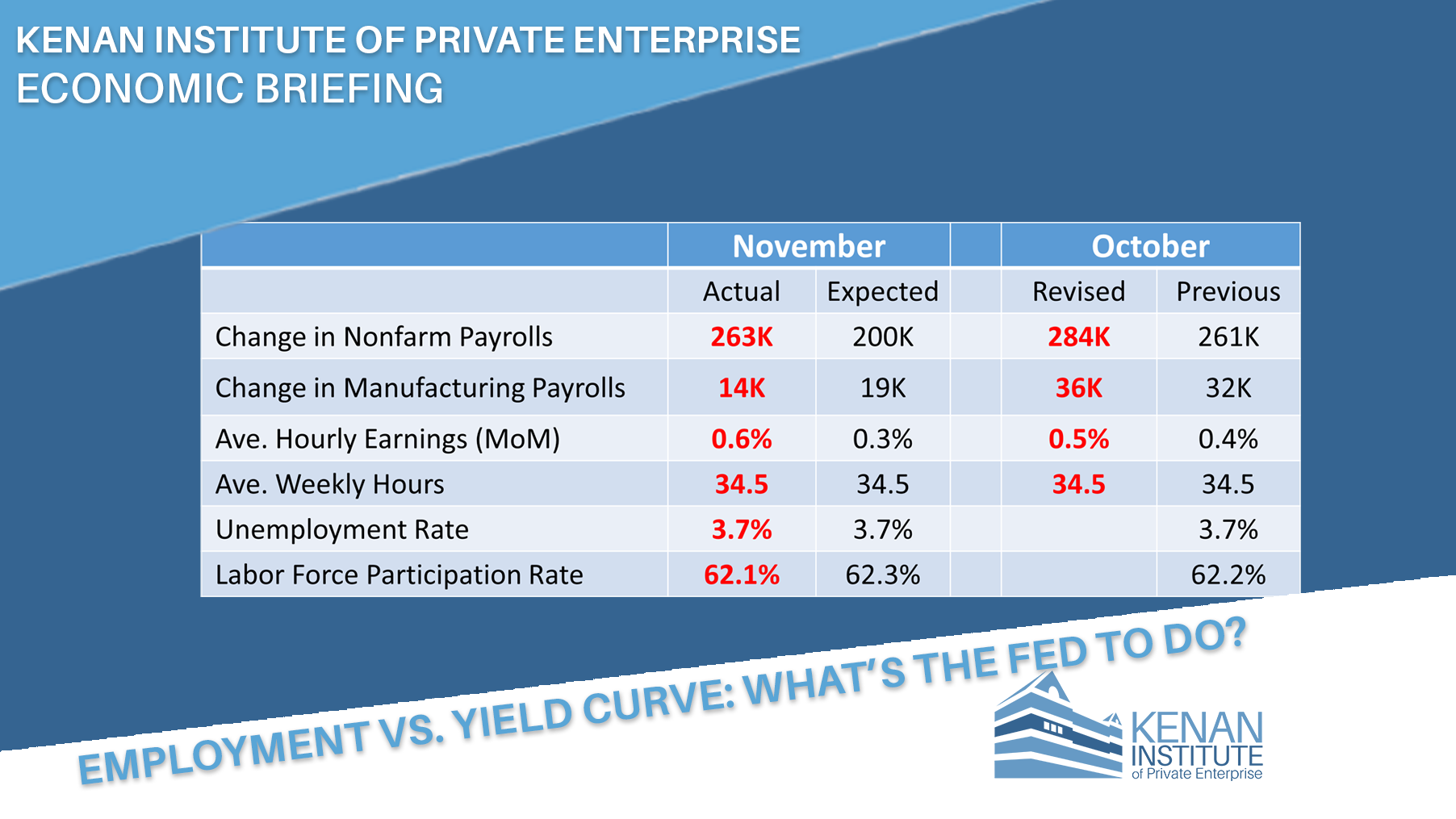
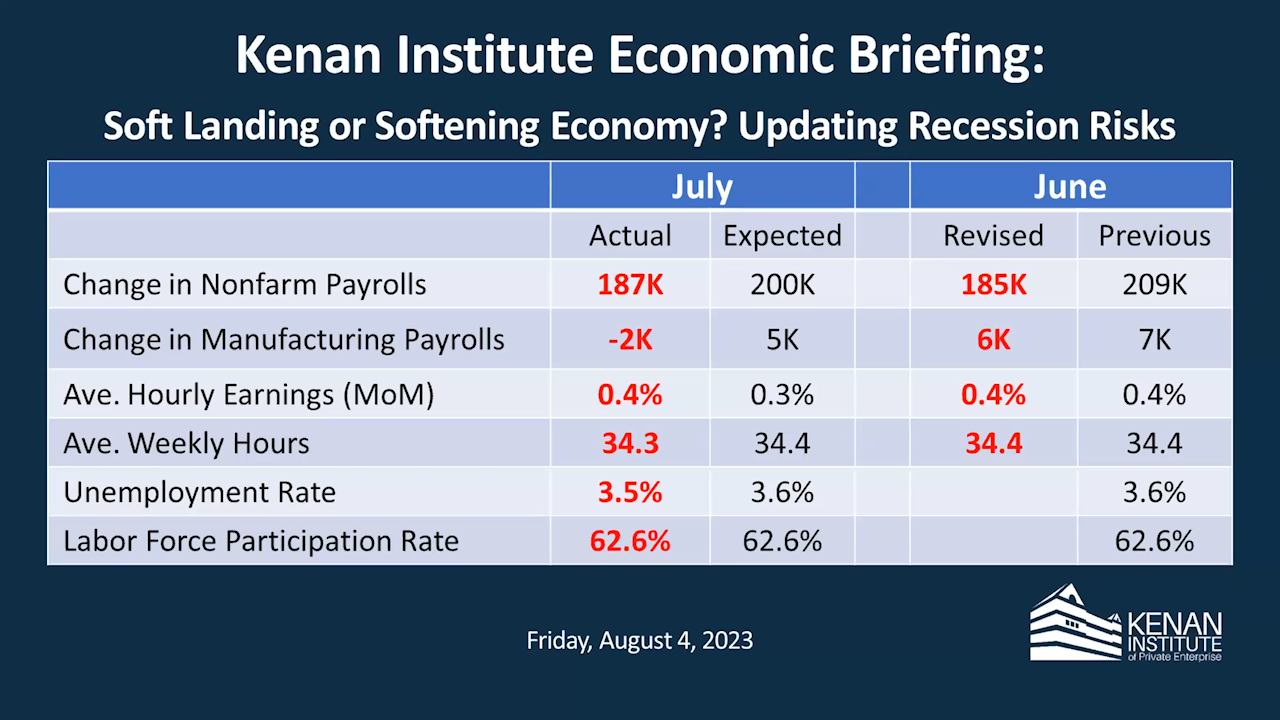
Have the chances of a recession arriving in the next year decreased? Institute Executive Director Greg Brown laid out the conflicting economic indicators around this question and offered his analysis of the Aug. 4 employment report, which showed 187,000 jobs added in July. He also answered questions on the yield curve’s performance and the potential effects of Fitch’s downgrade of the U.S. credit rating.
Business Uncertainty

When Uncertainty Becomes a Certainty

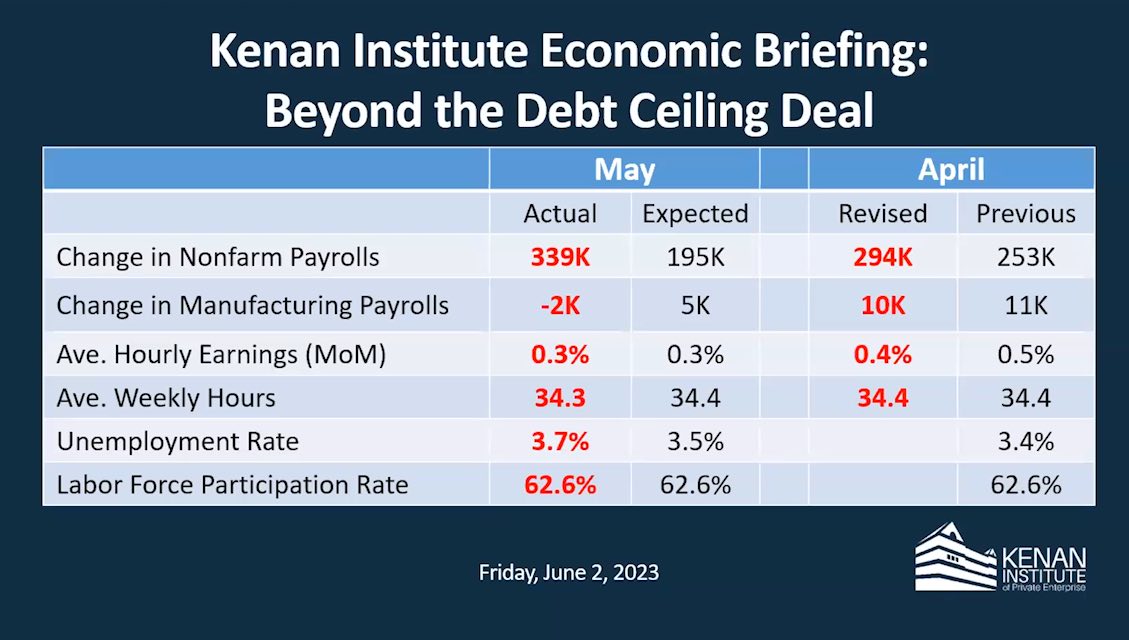
2022 was a tumultuous year: NASDAQ, a tech-heavy stock index, closed the year down more than 30%; inflation proved more stubborn than policymakers initially thought and reached 40-year highs; Russia invaded Ukraine, sending commodity prices even higher; and central banks cranked up rates in response, the Federal Reserve raising interest rates at an unprecedented pace in recent history from around zero to over 4%. As we entered 2023, the global economy stood “on a razor’s edge,” the World Bank warned in its latest projections. Add to that a divided Congress with razor-thin majorities, political wrangling over the debt ceiling, and increasingly frequent catastrophic weather events, and it leaves one wondering where we are all headed.

Kenan Institute Economic Briefing: Will the Fed Overshoot?

Kenan Institute Economic Briefing: Will the Fed Overshoot?

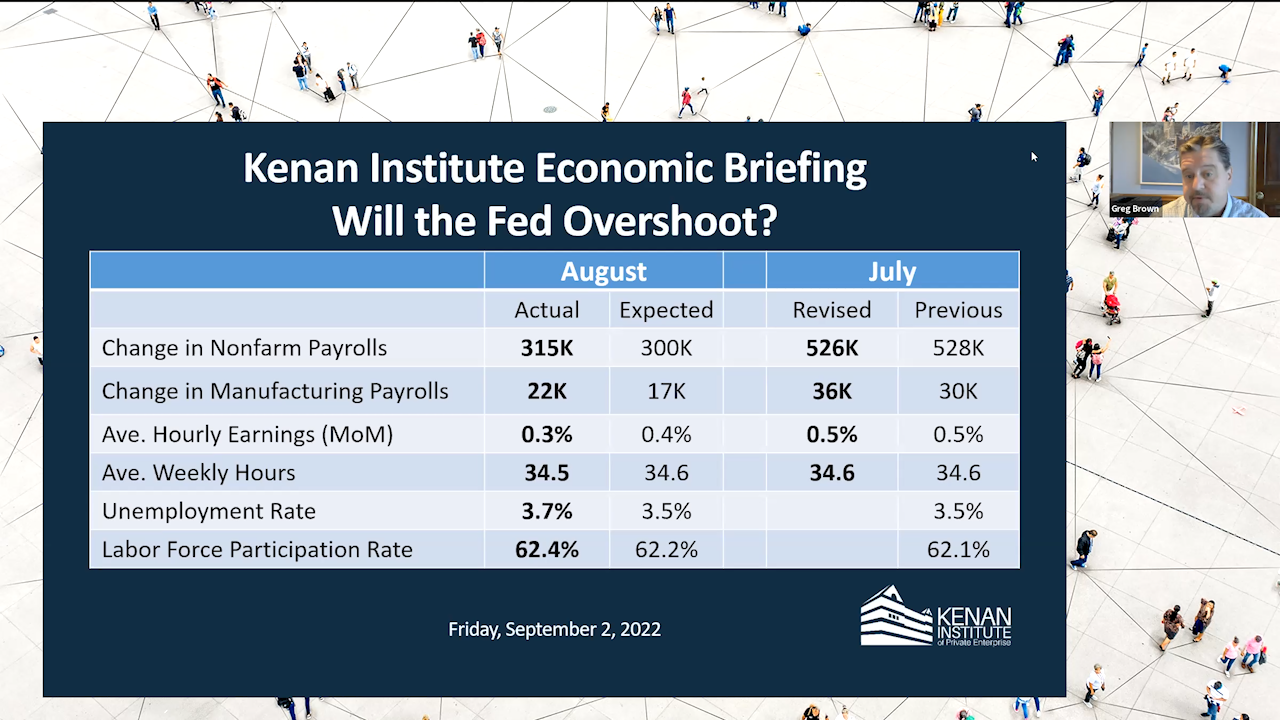
Kenan Institute Executive Director Greg Brown discussed the Federal Reserve’s next move after the Sept. 2 employment report showed slowing but still strong job growth. Brown predicted that the Fed, to protect its reputation as an inflation fighter, would more likely overshoot than come up short in using higher interest rates to tamp down rising prices. He also answered questions from the media on how the global nature of inflation limits the Fed’s effectiveness as well as what can be expected for local and North Carolina labor markets.

US Economy

Why a Shrinking Economy Won’t Make the Fed Blink

GDP, the broadest measure of economic output, contracted for the second straight quarter, stoking fears that the economy is already in a recession — and has been since the beginning of the year. But the guts of the GDP report coupled with continued strong job growth and decent consumer spending suggest that the expansion remains on track. While the official arbiters of recessions are likely to agree with me — they don’t look at GDP but rather measures like job creation — what really matters to households and businesses is whether their spending power or foot traffic is drying up.

US Economy

Confusion Reigns: Strong Jobs Report Amid Recession Talk

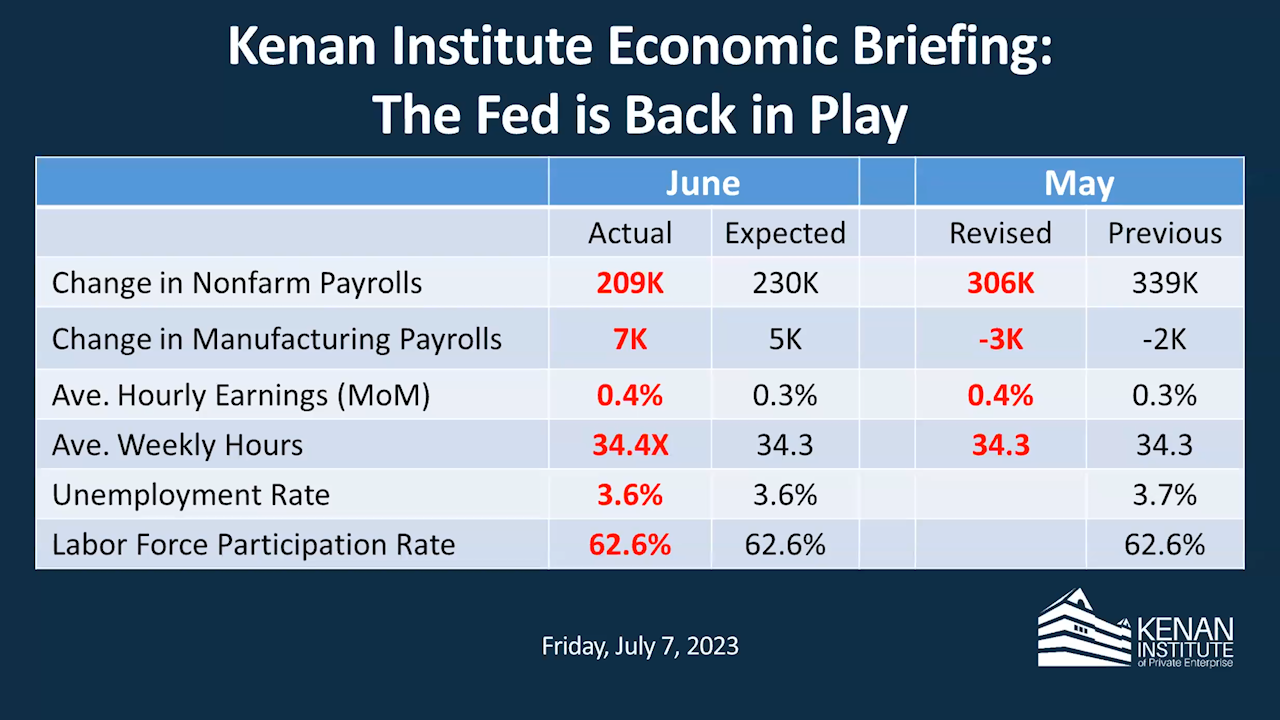
A surprisingly strong jobs report for June only adds to the difficulty of getting a read on the U.S. economy, writes Dan Barkin on the Business North Carolina site. He cites statistics offered by UNC Kenan-Flagler Professor Christian Lundblad in the institute’s July 8 economic briefing and notes Lundblad’s opinion that a “real” recession, rather than a technical recession, is more likely to arrive in early to mid-2023.

American-grocery-store-inflation

The Drop in Consumer Confidence Indexes Tells a Nuanced Story – Let’s Not Overreact to It

UNC Kenan-Flagler Business School Professor Camelia Kuhnen is an expert in corporate finance, behavioral finance and neuroeconomics, the application of neuroscience tools and methods to economic research. As many question whether a recession is on the way, she answers some questions about how the most notable consumer confidence surveys differ and whether Americans are prone to economic gloominess.

gas pump

Decrease in Gasoline Prices Could Be a Sign of Recession Fears

Institute Chief Economist Gerald Cohen spoke to both WRAL-TV and WTVD-TV on July 5, saying the potential downside of a recent decrease in gasoline prices is that it may reflect concerns in the markets that the economy is going into recession. “Economic activity slows, gasoline demand slows,” Cohen said. “If [prices are] coming down because people think we’re in a recession, then that’s bad.”